
Healthcare Architecture, Exclusively

Designing Spaces
That Heal

From freestanding emergency departments to cardiac cath labs, Breitner Architecture brings principal-level expertise and 100% healthcare focus to every project.

View Our Work
Scroll

Specialized Healthcare Design

Every project benefits from our singular focus on healthcare architecture and deep regulatory expertise.

Emergency Departments & FSEDs

Freestanding and hospital-based emergency departments designed for operational efficiency, patient flow, and life-safety compliance.

Learn More

Surgical Suites & Cardiac Care

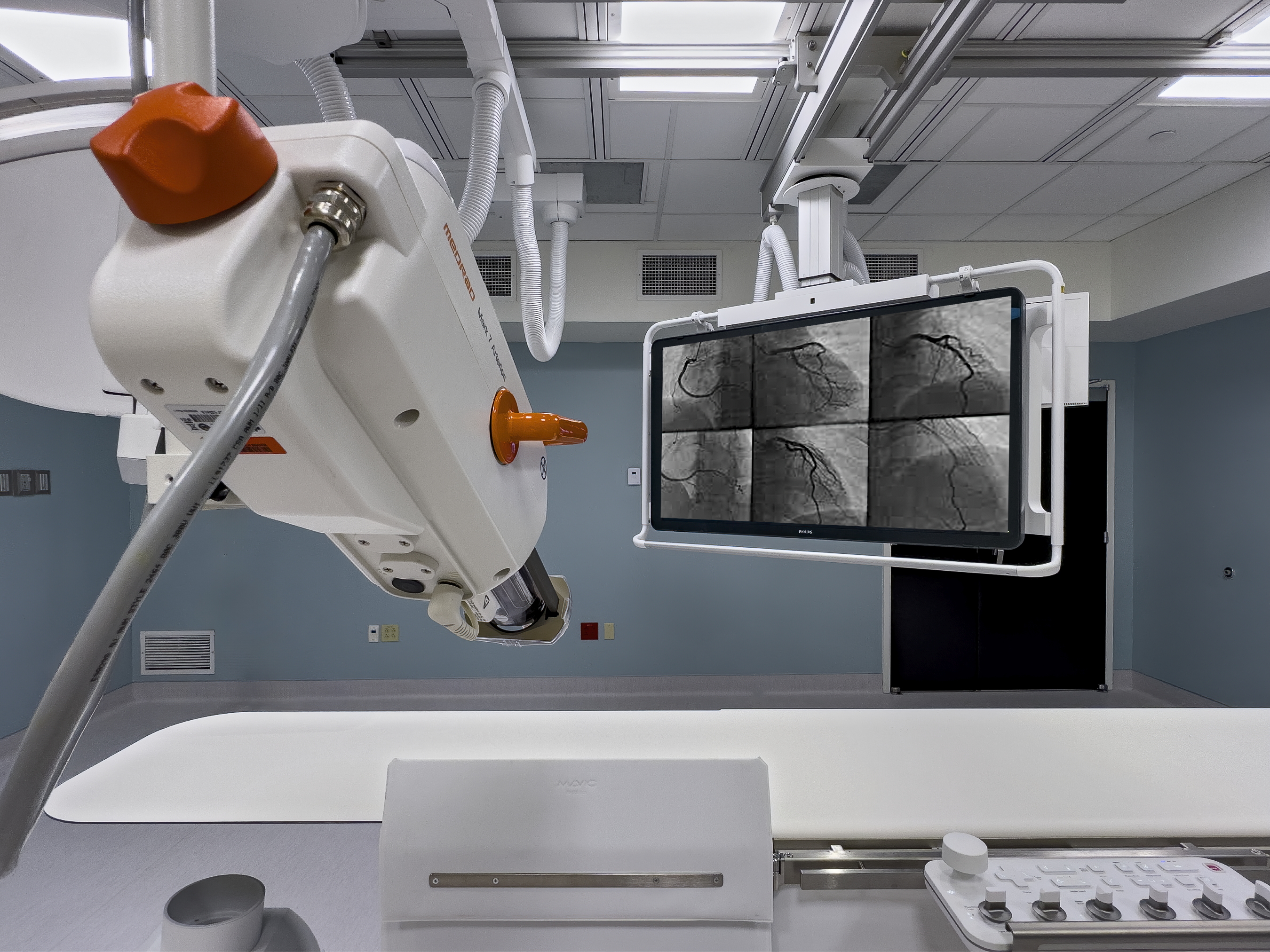
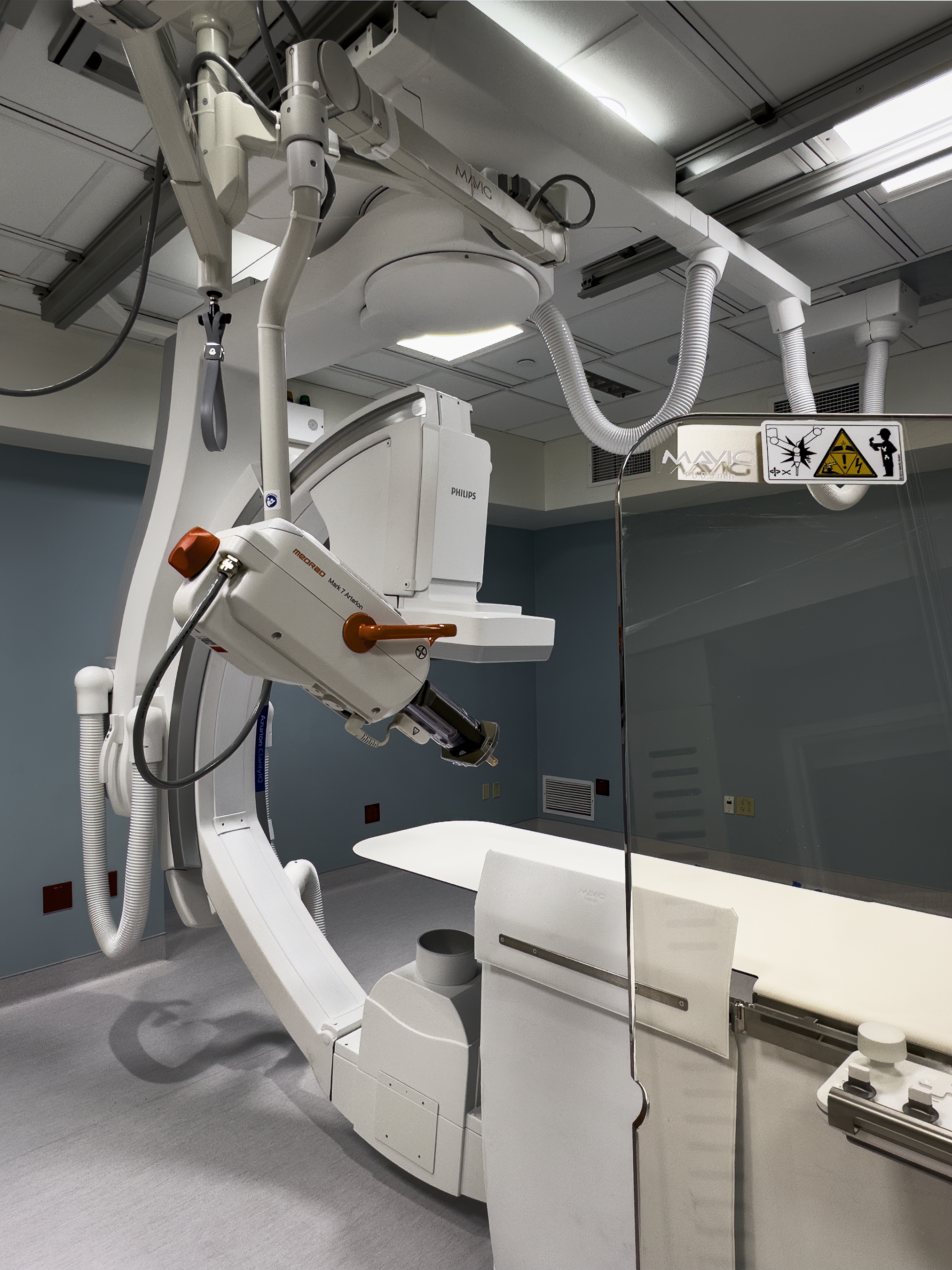
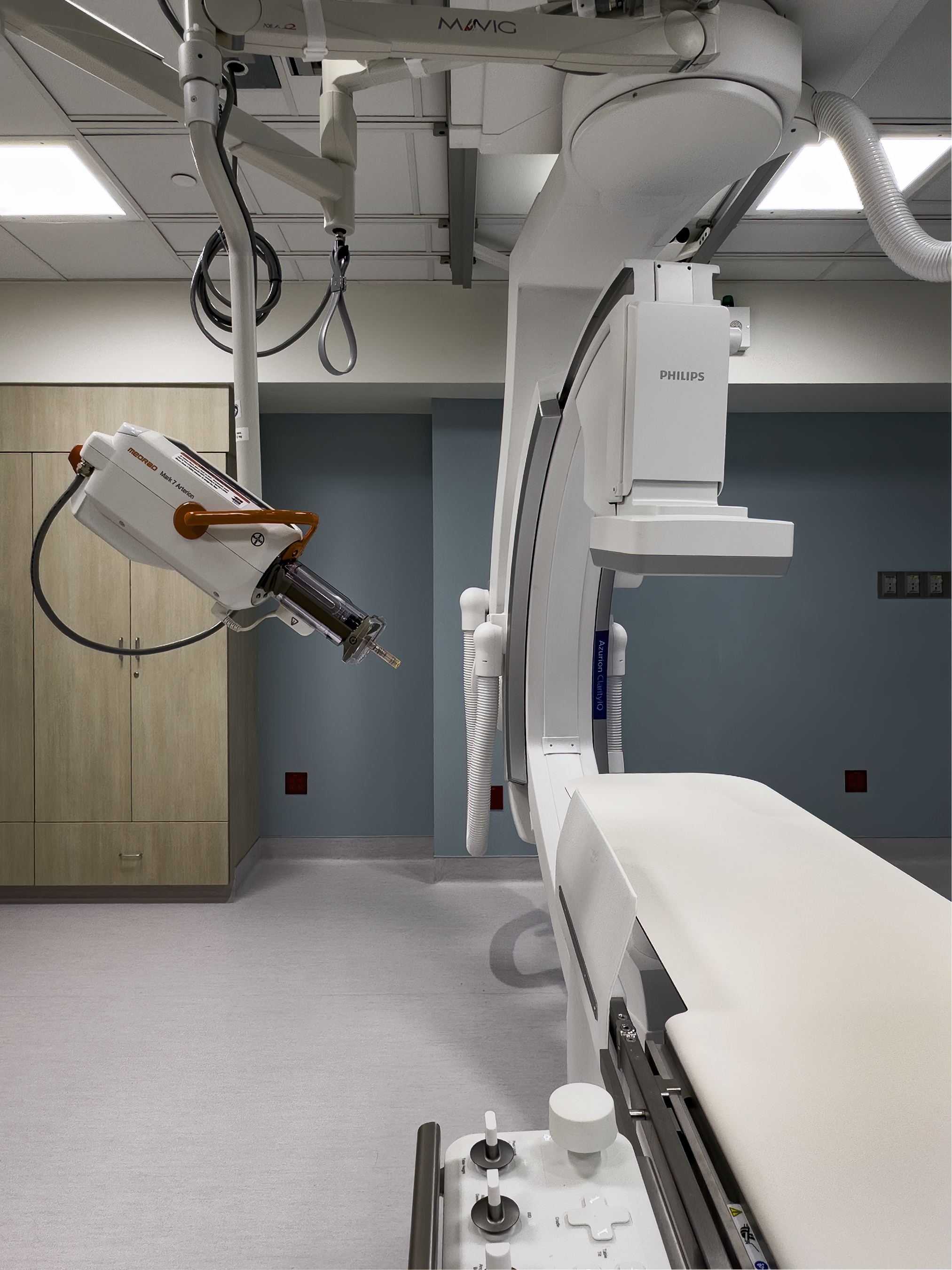
Operating rooms, cath labs, EP labs, and ambulatory surgery centers — designed with precision for complex clinical workflows.

Learn More

Healthcare Master Planning

Facility master plans, space programming, and test fits that align your physical environment with your clinical vision.

Learn More

Healthcare Is All We Do

While other firms spread across a dozen sectors, we pour everything into one. When you're designing a cardiac cath lab, you want a team that's done it dozens of times — not one that designed a hotel last week. That singular focus means we've internalized the details that generalist firms have to relearn on every project: the gas column clearances, the radiation shielding requirements, the way a scrub nurse moves through a prep zone at shift change. We don't consult a checklist — we carry it in our heads. And that depth shows up where it matters most: fewer RFIs, fewer change orders, and facilities that actually work the way clinicians need them to from day one.

"We don't just follow the FGI Guidelines — our team helped write them."
100%
Healthcare Focused
25+
Active Projects
$750M+
Project Experience
20+
Years Experience
AIAAmerican Institute of Architects
NCARBNational Council
ACHAAmerican College of Healthcare Architects
EDACEvidence-Based Design
FGIGuidelines Committee

Let's Design Something
Extraordinary Together

Ready to start your next healthcare project? We'd love to hear about it.

Start a Conversation

Our Work

Freestanding ED

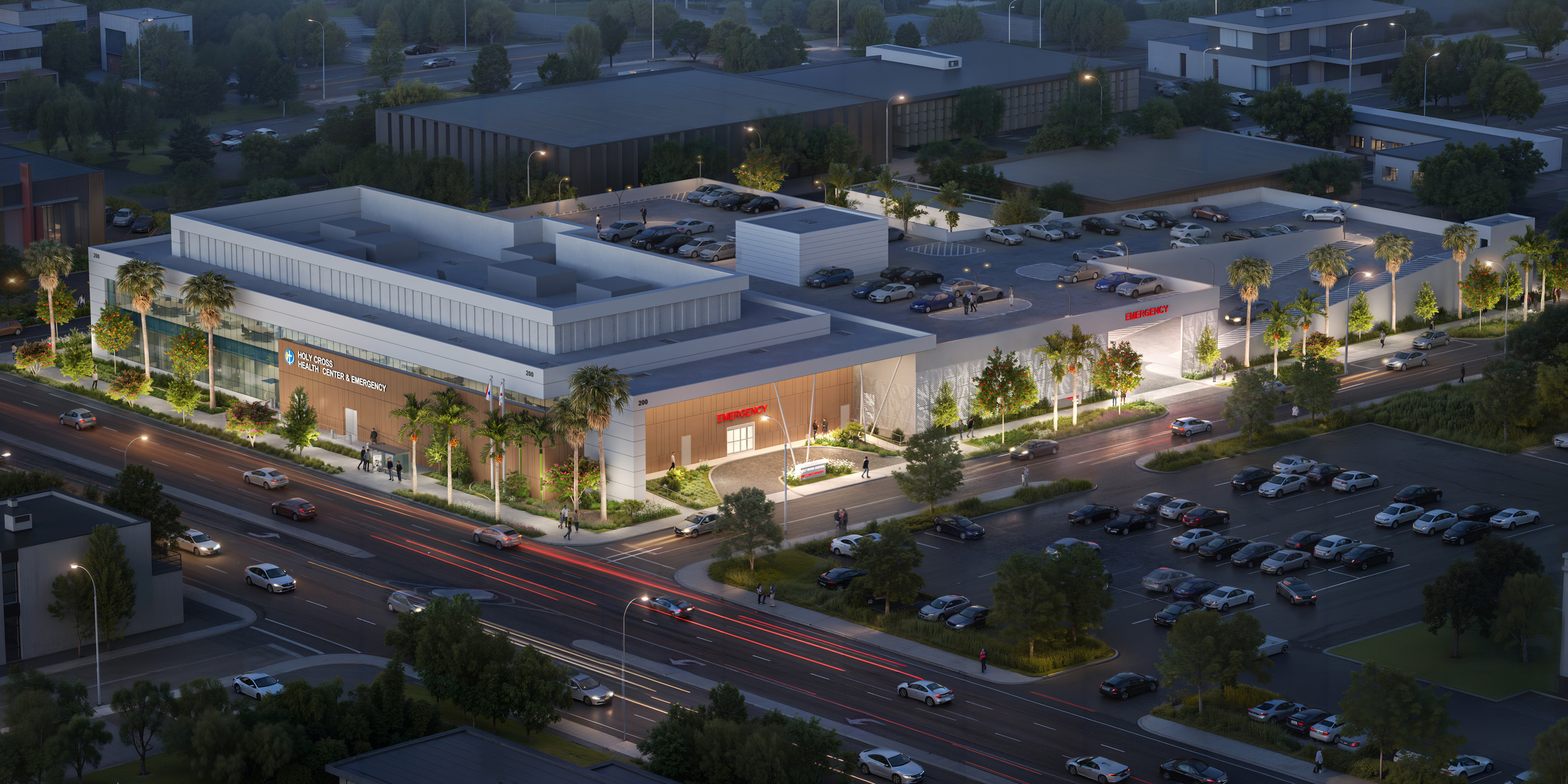
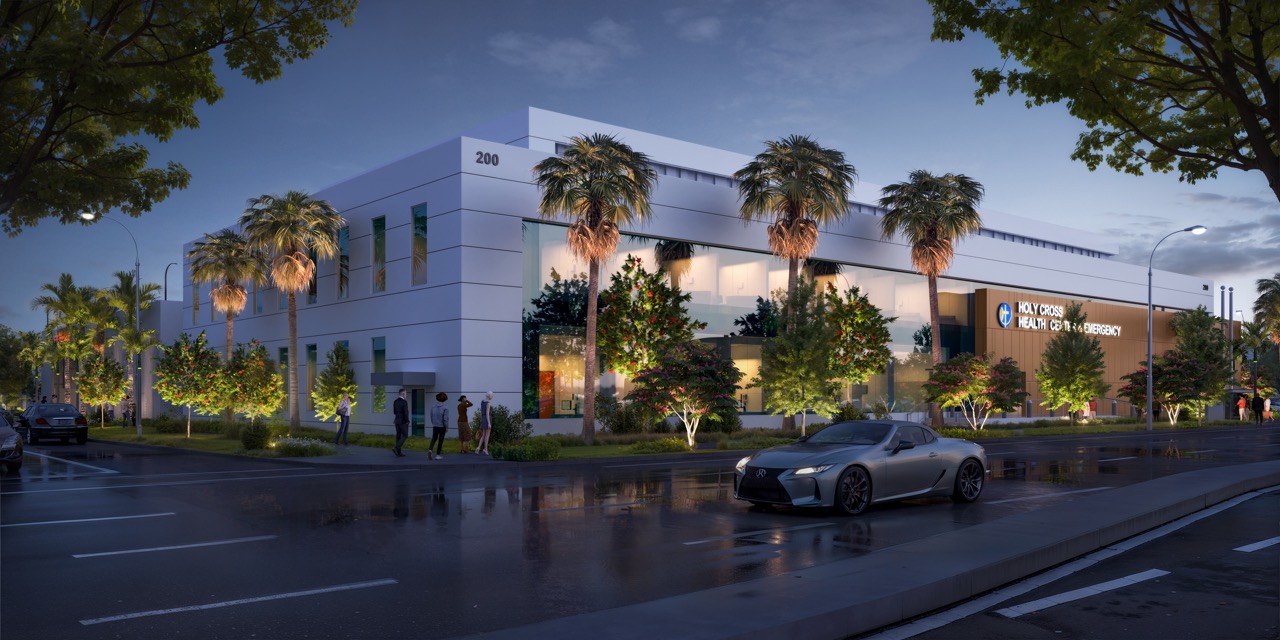
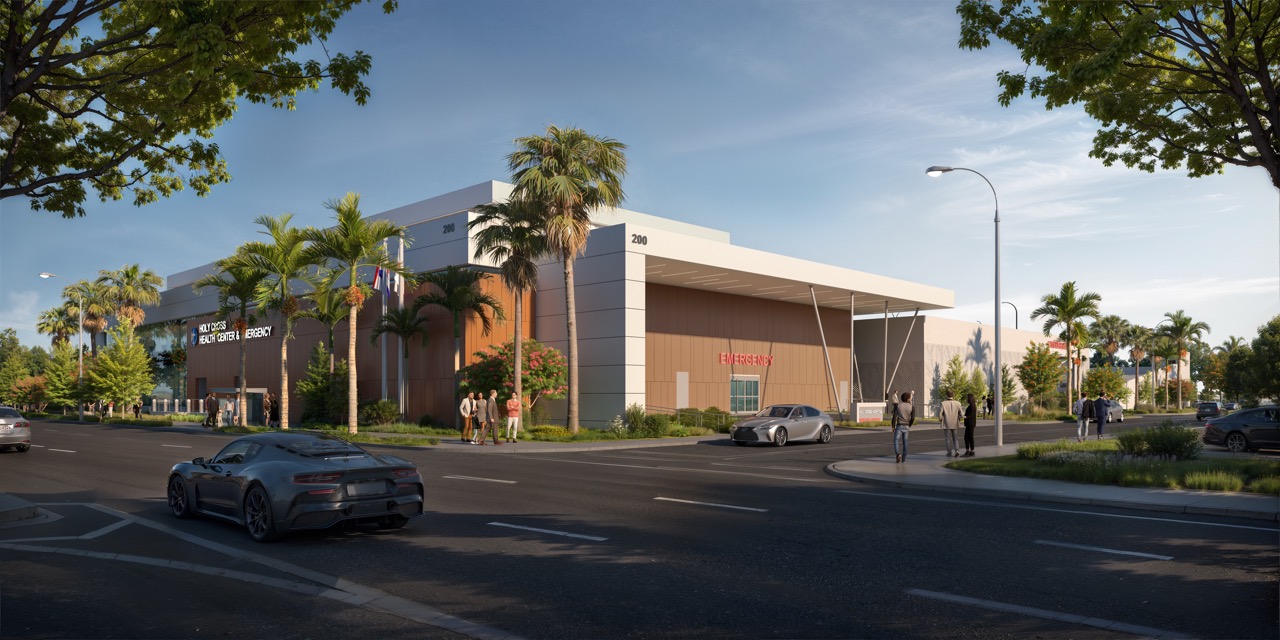
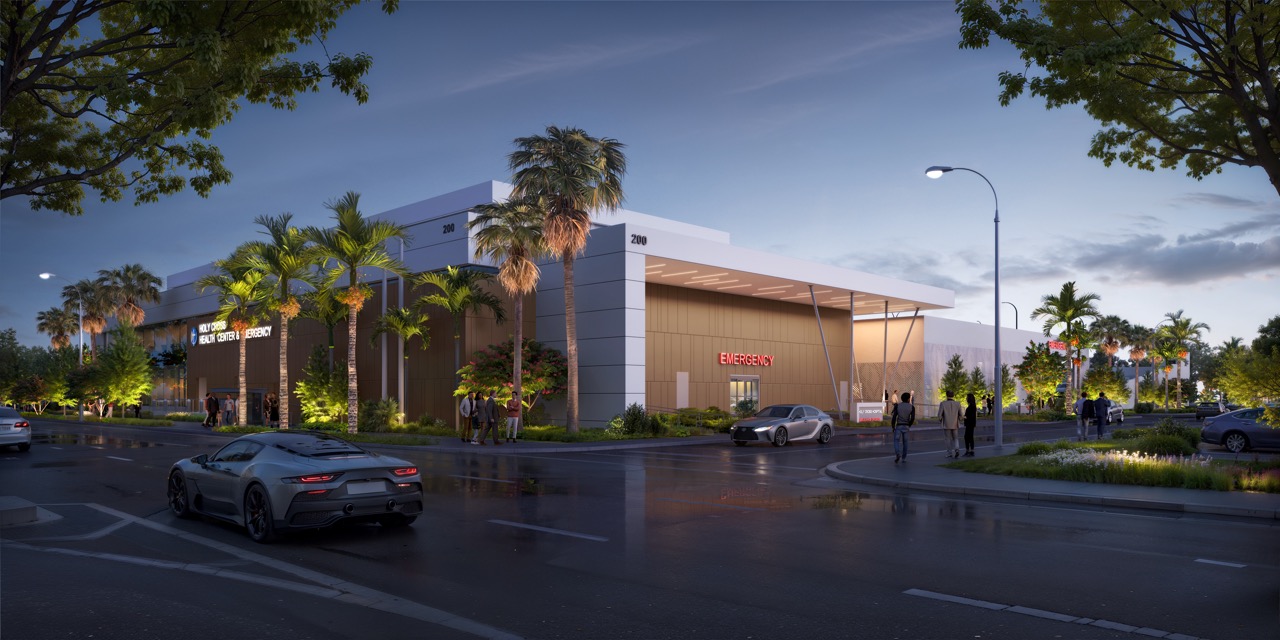
Holy Cross — Sunrise FSED

Sunrise, FL  ·  11,000 SF
Cath Lab

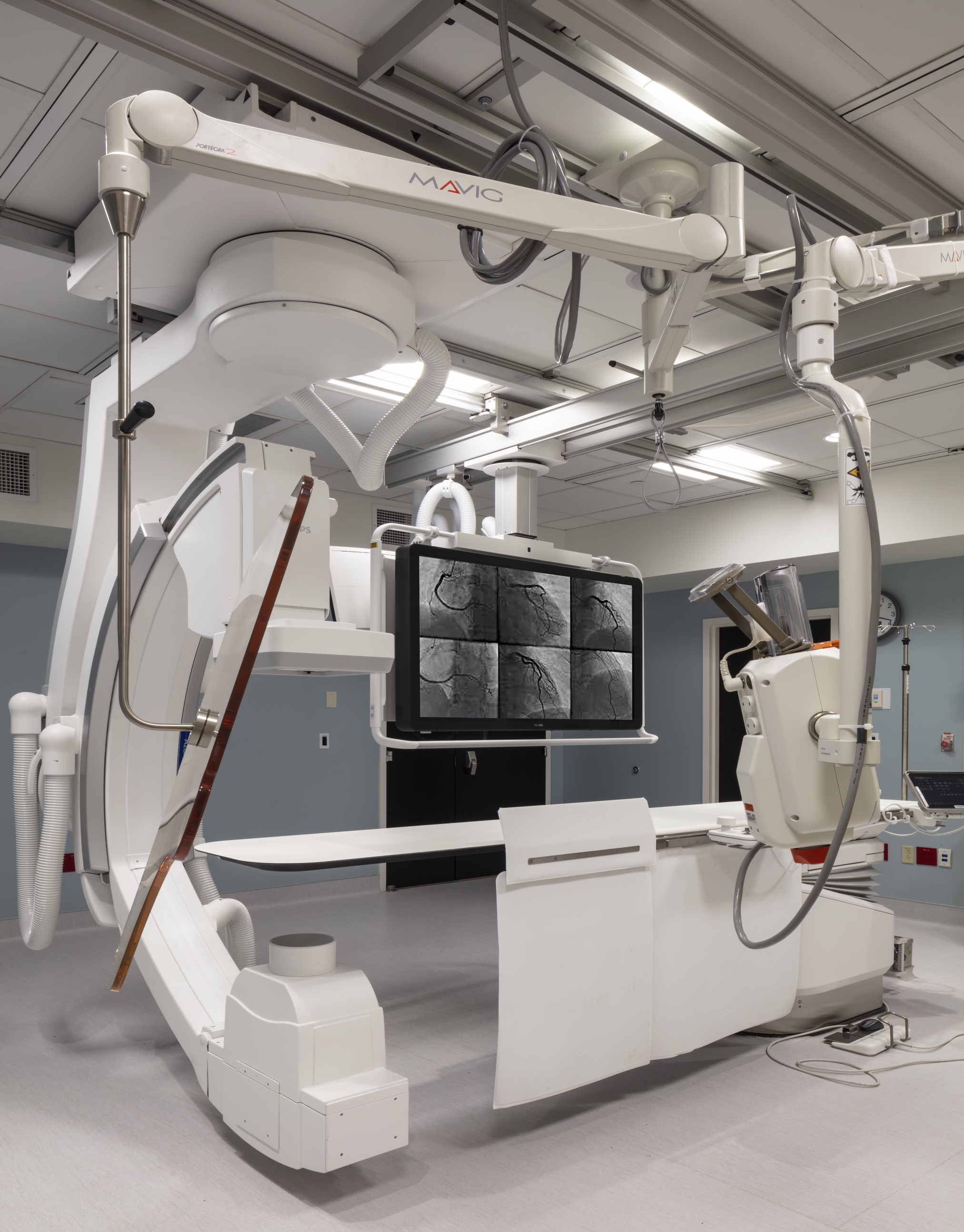
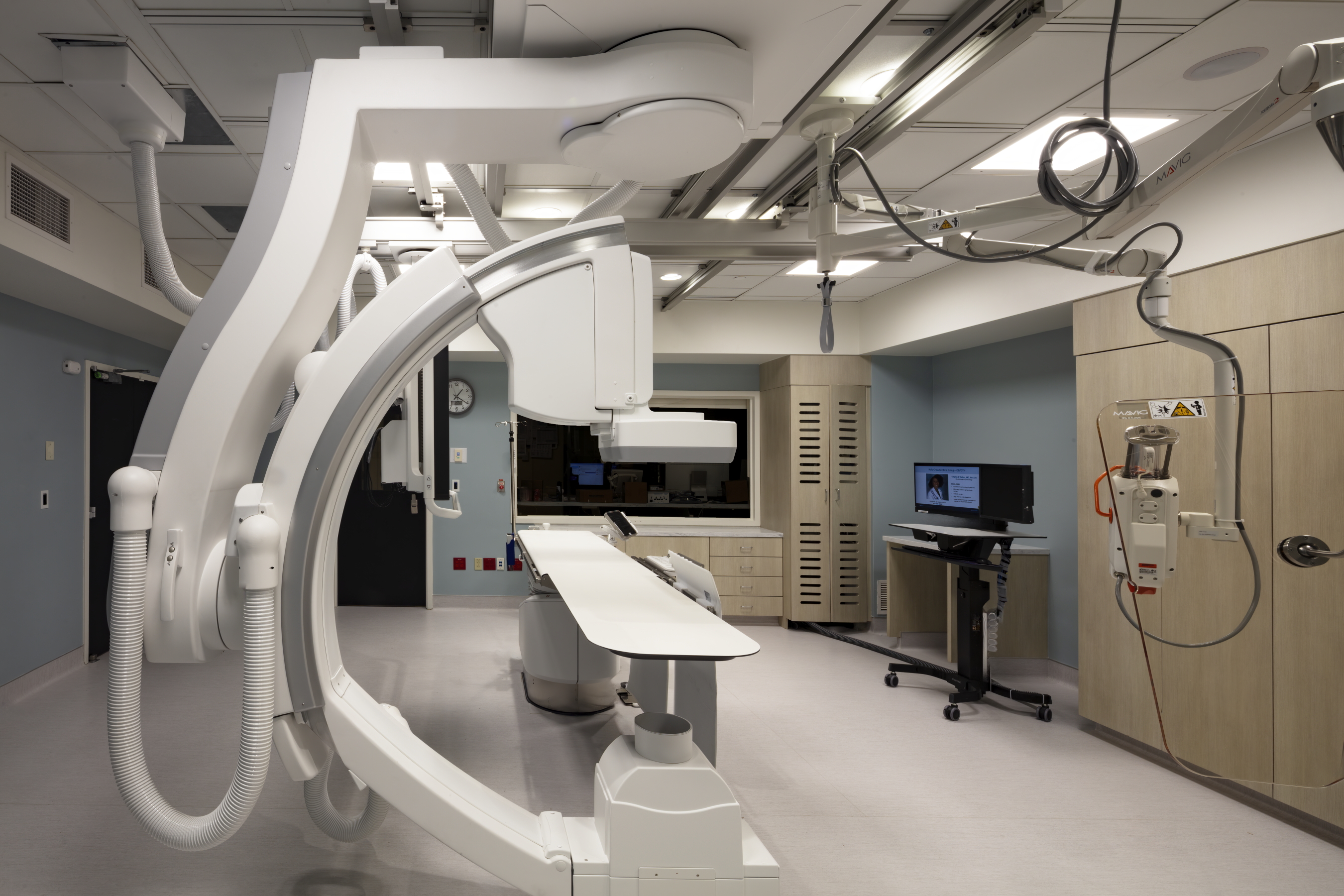
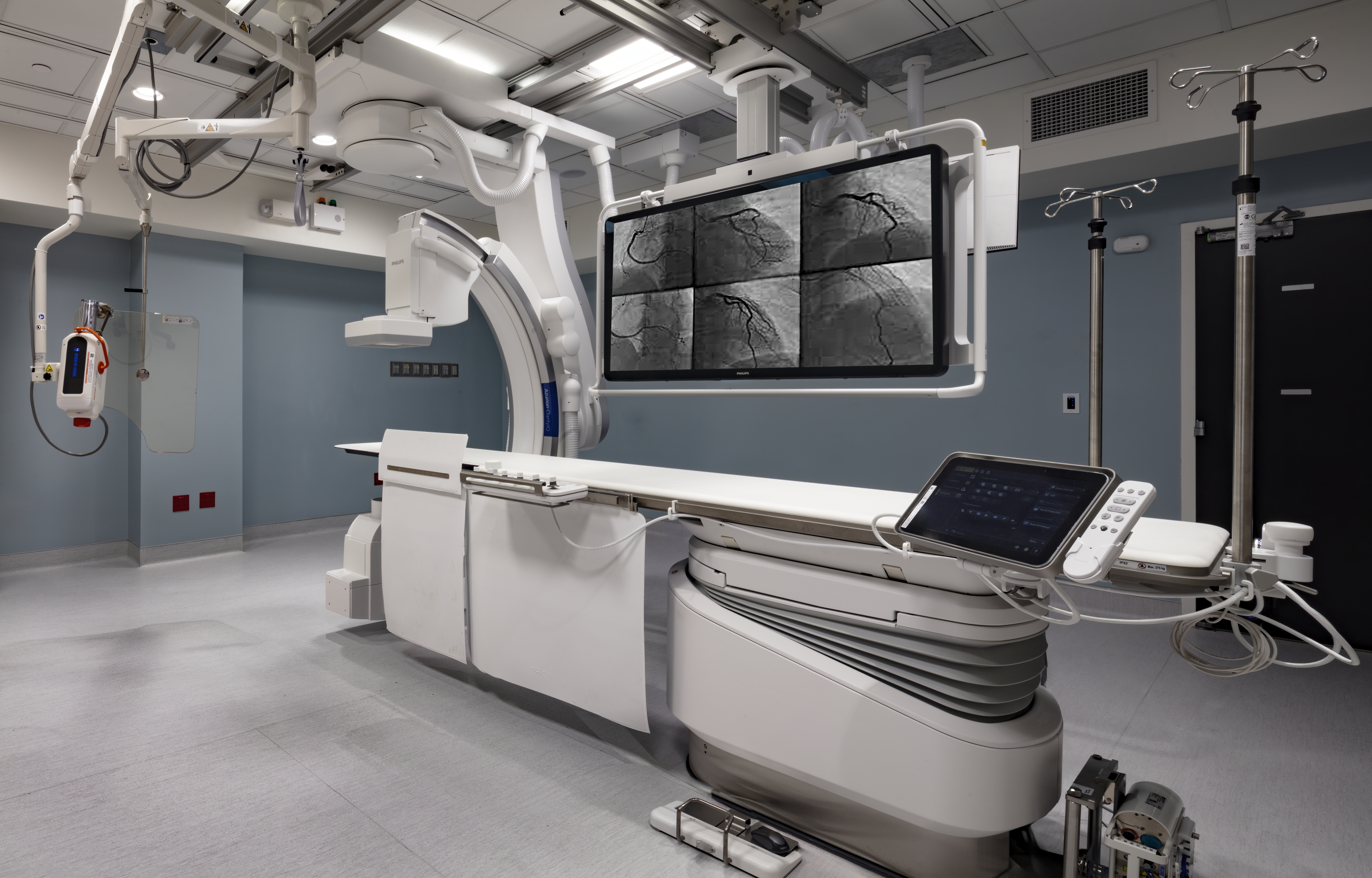
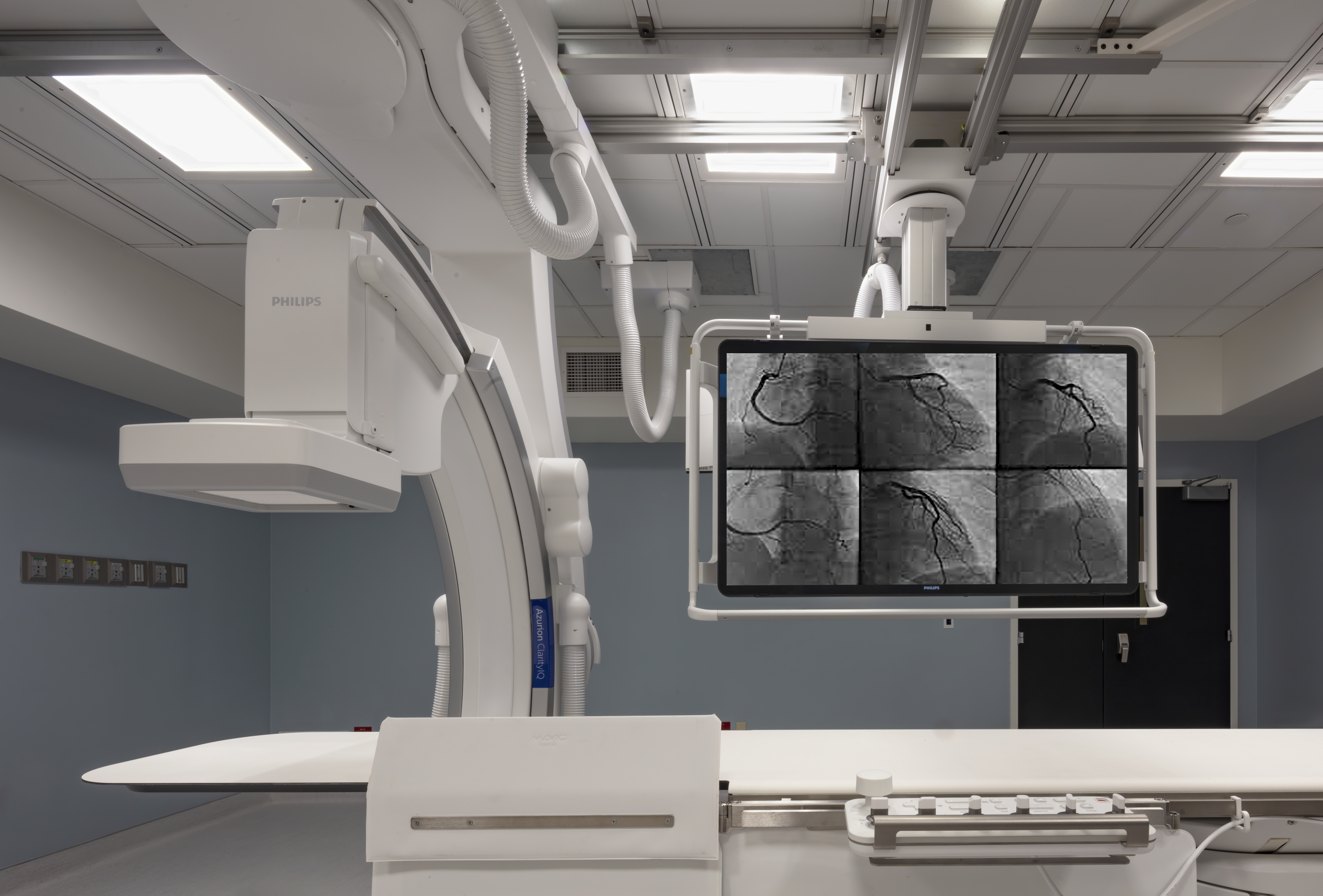
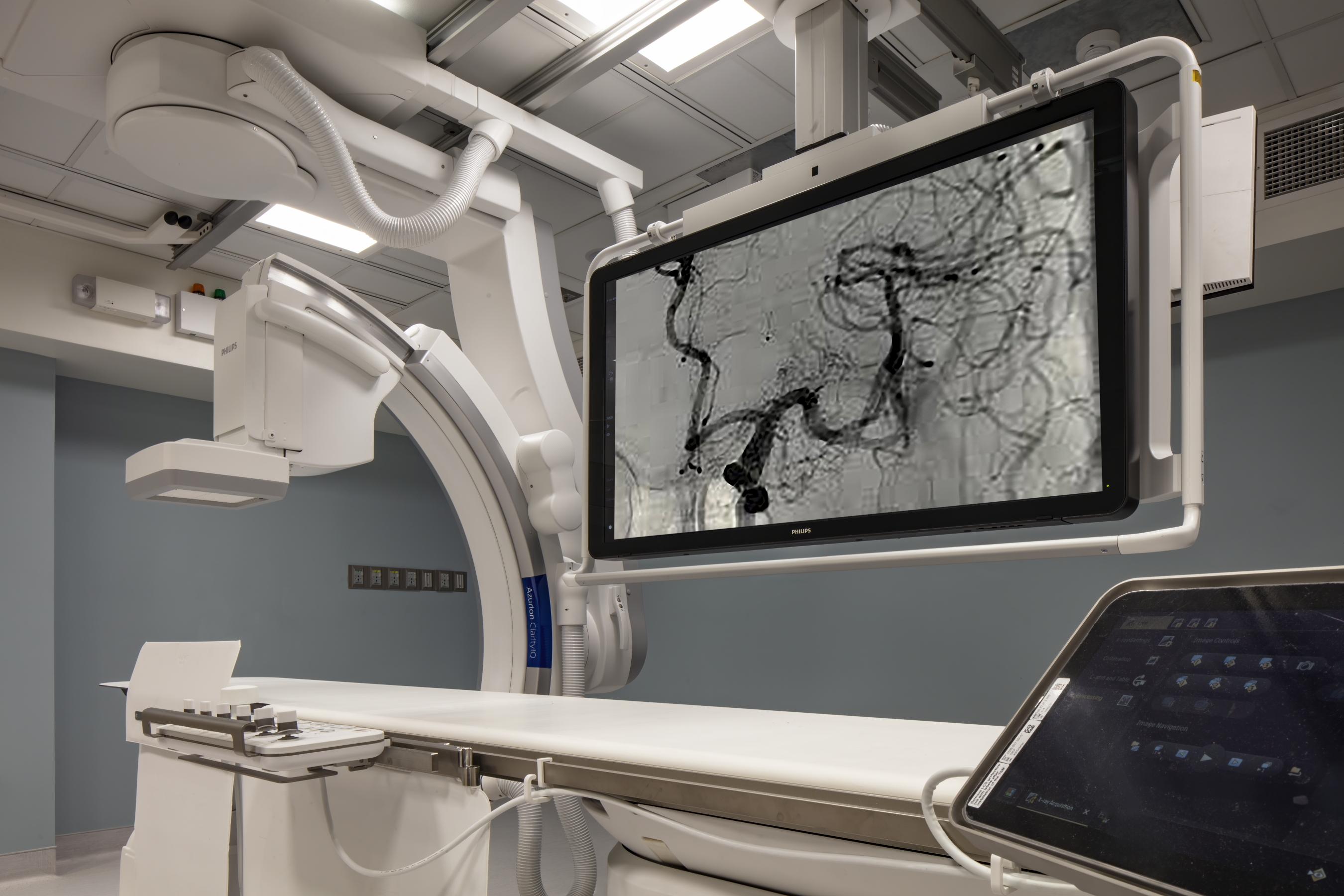
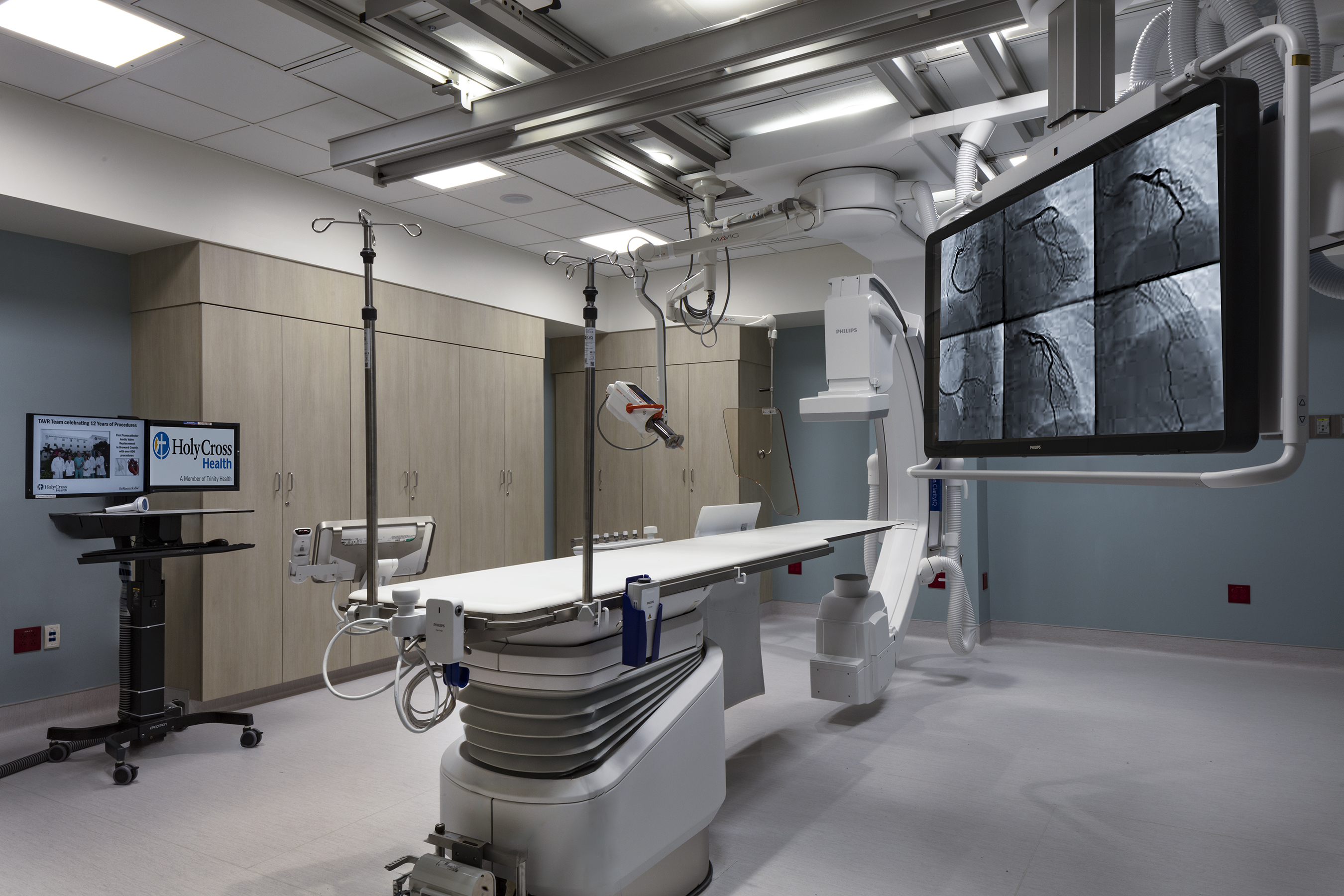
Holy Cross — Cath Lab 5/6/8

Fort Lauderdale, FL
Coming Soon
Operating Room

Holy Cross — OR Renovation

Fort Lauderdale, FL
Coming Soon
Cardiac Clinic

Holy Cross — 4th & 5th Floor Cardiac Clinics

Fort Lauderdale, FL
Diagnostic Imaging

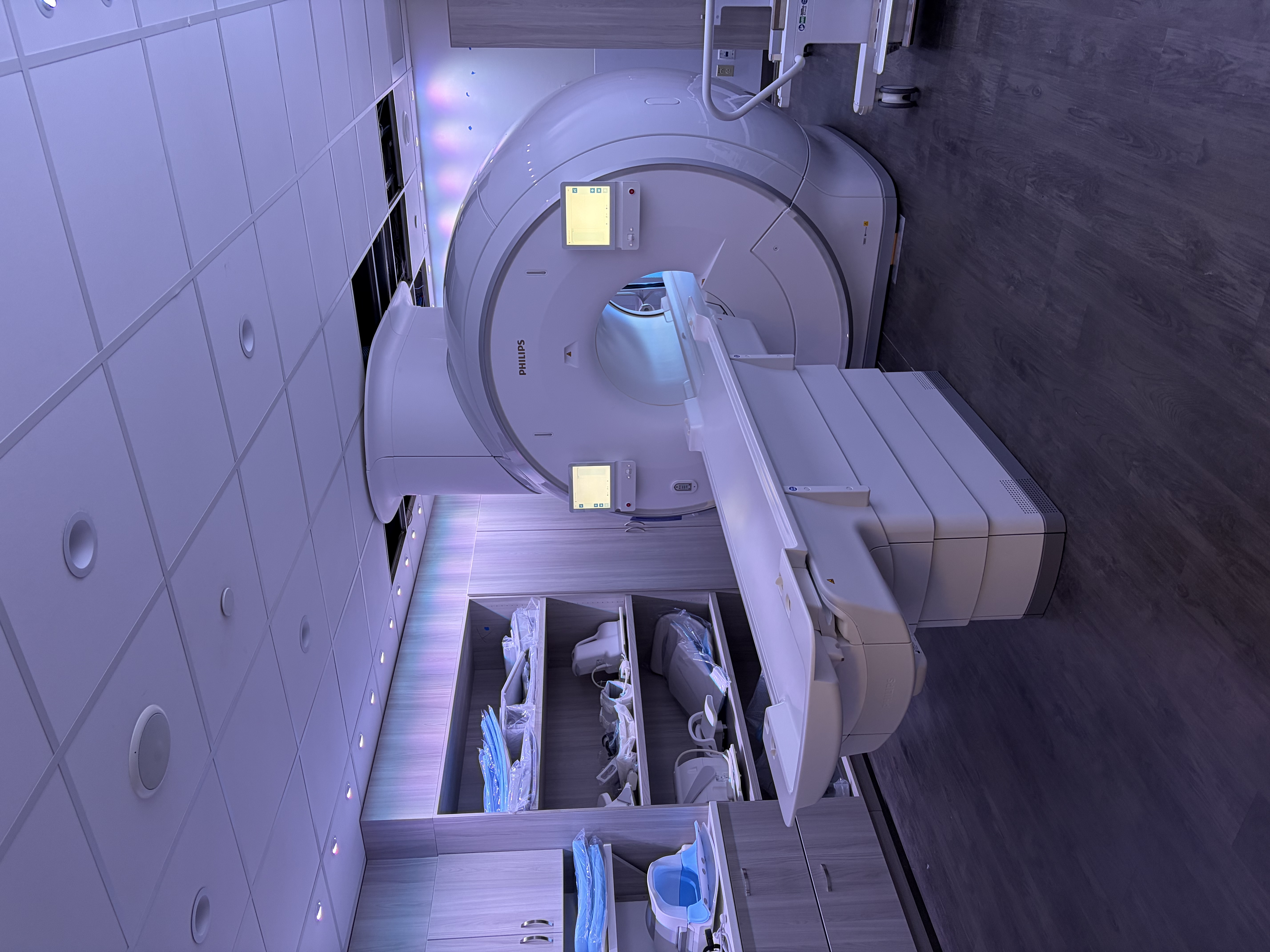
Holy Cross — MRI Replacement

Fort Lauderdale, FL

Prior Project Leadership

Projects led by our principal during 20+ years of healthcare architecture practice, demonstrating depth of experience across major health systems.

Miami Cancer Institute

Baptist Health South Florida  ·  Miami, FL
Comprehensive cancer treatment facility

Cleveland Clinic Florida

Weston, FL
Multiple facility projects including surgical and diagnostic imaging

Fishermen's Community Hospital

Marathon, FL
Complete hospital facility with emergency and inpatient services

Miami Heat Orthopedic Center

Baptist Health  ·  Miami, FL
Sports medicine and orthopedic facility

Boca Medical Office Building

Boca Raton, FL
Medical office facility design

Healthcare Architecture Services

From initial programming through construction administration, we bring specialized healthcare expertise to every phase of your project.

Emergency Departments & FSEDs

Freestanding and hospital-based emergency departments optimized for patient flow, wait times, and life-safety compliance.

  • Freestanding Emergency Departments
  • ED expansions & renovations
  • Trauma center upgrades

Surgical Suites & ASCs

Operating rooms and ambulatory surgery centers designed for clinical precision, infection control, and efficient throughput.

  • Operating room design & renovation
  • Ambulatory Surgery Centers
  • Pre-op & post-op areas
  • Sterile processing departments

Diagnostic Imaging & Interventional

Specialized environments requiring expertise in shielding, equipment coordination, and seamless clinical workflow integration.

  • MRI suites
  • Catheterization & EP labs
  • Interventional radiology

Cardiac & Specialty Clinics

Outpatient and specialty clinics balancing patient experience with operational efficiency across cardiology and sports medicine.

  • Cardiology clinics
  • Medical office conversions
  • Specialty care clinics

Healthcare Master Planning

Strategic facility planning that aligns your physical environment with your clinical vision — programming, test fits, and growth.

  • Facility master plans
  • Space programming & test fits
  • Campus planning

Regulatory & Specialized Expertise

Deep regulatory knowledge — including FGI Guidelines committee experience — means we don't just comply with the rules, we help shape them.

  • FGI Guidelines compliance
  • AHCA/state agency coordination
  • Evidence-based design
  • Virtual nursing integration

Built for Healthcare. Nothing Else.

Founded by Daniel Breitner, a healthcare architecture veteran with 120+ projects under his belt, Breitner Architecture was built on a simple conviction: healthcare facilities deserve a firm that does nothing else.

Why Healthcare Only

Healthcare architecture isn't just a specialty — it's a discipline unto itself. The regulatory landscape is complex, the stakes are life-and-death, and the clinical workflows require deep understanding. When you hire a firm that also designs hotels, offices, and retail, you're sharing their attention. When you hire Breitner, you're getting 100% healthcare focus, 100% of the time.

Our decision to focus exclusively on healthcare wasn't made lightly. It was made because we saw an opportunity: to bring the quality, attention, and expertise that South Florida's health systems deserve — with a principal on every project, not just on the pitch.

Our Approach

Evidence-based design isn't a buzzword for us — it's our methodology. Every design decision is grounded in research on patient outcomes, staff efficiency, and operational performance. We design spaces that measurably improve the experience of everyone who enters them.

Our regulatory expertise is unmatched. With FGI Guidelines committee experience on our team, we don't just follow the guidelines — we helped write them. This means fewer surprises during plan review, faster approvals, and confidence that your facility will meet every requirement.

"Principal-level expertise on every project — that's not a promise, it's our structure."

Our Values

Precision

Healthcare design demands exactness. From code compliance to equipment clearances, we approach every detail with the precision these environments require.

Collaboration

Great healthcare design happens at the intersection of architecture and medicine. We work hand-in-hand with clinicians, administrators, and stakeholders to create spaces that truly serve their users.

Innovation

From virtual nursing integration to evidence-based design methodologies, we bring forward-thinking solutions that prepare healthcare facilities for the future of medicine.

A Track Record in Healthcare

Two decades of exclusively healthcare architecture — from critical care environments to outpatient clinics, across South Florida's leading health systems.

120+
Healthcare Projects
1M+
Square Feet Designed
$750M+
Project Value
3
Person Team

The Team Behind
Every Project

Daniel Breitner, AIA, NCARB

Founder & Principal

B.Arch, Pratt Institute  ·  AIA  ·  NCARB

As Founder and Principal of Breitner Architecture, Daniel leads the firm's vision and operations, delivering innovative, high-performing designs tailored to the unique needs of healthcare facilities. With over 20 years of experience and 120+ healthcare projects, he brings a depth of expertise that only comes from a career dedicated entirely to this sector.

Daniel oversees every stage of the design process — from initial concept development to project completion — ensuring seamless alignment with client objectives, clinical workflows, and the highest standards of quality. His strategic leadership and commitment to design excellence have established Breitner Architecture as a trusted partner for South Florida's leading health systems.

Prior to founding the firm, Daniel spent over a decade as a healthcare design leader at Nelson Worldwide, where he managed landmark projects including the Miami Cancer Institute and Cleveland Clinic Florida facilities.

120+Healthcare Projects
1M+SF Designed
20+Years Experience

Noam Platt, ACHA, EDAC, NCARB

Senior Project Architect

B.Arch, Louisiana State University  ·  ACHA  ·  EDAC  ·  NCARB

Noam brings a unique combination of healthcare design expertise, technology innovation, and regulatory integration to every project. As a former state healthcare environment regulator, he literally helped write the standards that govern healthcare facility design — giving Breitner Architecture an inside perspective that few firms can match. He is a member of the American College of Healthcare Architects and has been published in Healthcare Design Magazine.

His work extends beyond traditional architecture. As founder of MakeGood and ModelHealthcare, Noam has pioneered accessible design and open-source assistive technology, reflecting a deep commitment to inclusive design principles. He works closely with clinical professionals to create innovative patient facing and evidence-based design work at all scales. He regularly lectures in academic and professional settings on healthcare architecture and innovation.

FGICommittee Member
ACHABoard Certified
EDACEvidence-Based Design

Jose Miguel Lega, B.Arch

Project Architect

B.Arch

Jose Miguel brings strong technical capabilities and BIM expertise to Breitner Architecture's project delivery. As the firm's BIM coordination specialist, he ensures that complex healthcare projects are documented with precision and that design intent is faithfully translated through construction documents.

Bilingual in English and Spanish, Jose expands the firm's ability to collaborate with South Florida's diverse healthcare community. His commitment to sustainable design practices complements the firm's focus on creating healthcare environments that are both clinically effective and environmentally responsible.

BIMCoordination Specialist
2Languages

Insights

January 2025

Introducing Breitner Architecture

After two decades of healthcare design leadership, Daniel Breitner launches a firm built for one purpose: to bring principal-level expertise to every healthcare project.

Read More

February 2025

What Makes a Great FSED: Lessons from Sunrise

Freestanding emergency departments are reshaping how communities access care. Here's what we've learned designing them.

Read More

March 2025

Designing the Modern Cath Lab

Cardiac catheterization labs demand precision in every detail — from equipment clearances to clinical workflow. A look at the design principles behind our latest projects.

Read More

April 2025

Renovating While Operational: The OR Challenge

How do you renovate an operating room suite without shutting down a hospital? Phased construction strategies that keep patient care running.

Read More

June 2025

Evidence-Based Design: Beyond the Buzzword

What evidence-based design actually looks like in practice — from patient room layouts to wayfinding strategies that measurably improve outcomes.

Read More
Back to Work

Holy Cross Hospital — Sunrise FSED

Location
Fort Lauderdale, FL
Size
42,000 SF
Client
Holy Cross Hospital
Status
Under Construction

Freestanding Emergency Department and Clinic, with Parking Structure

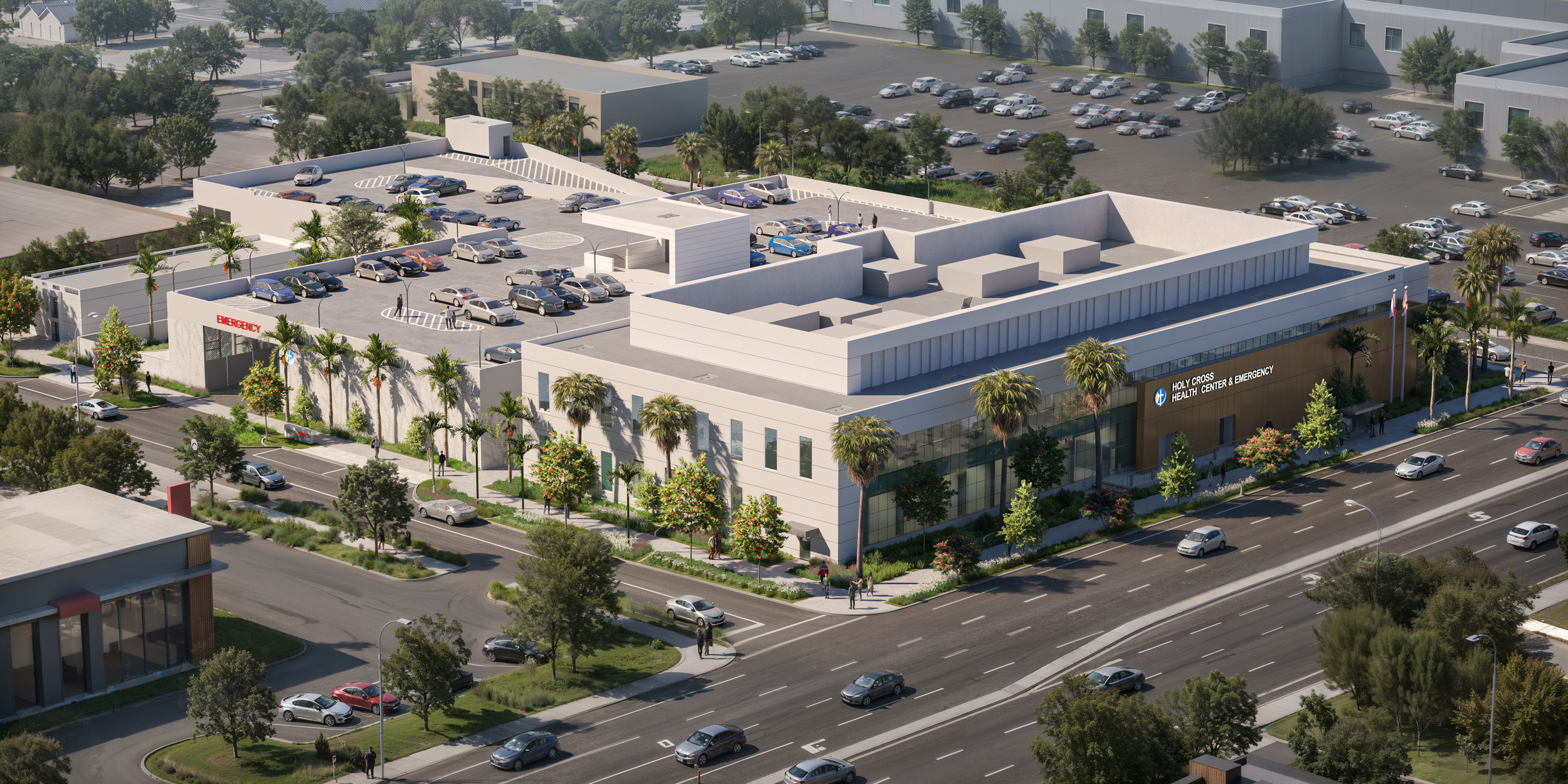
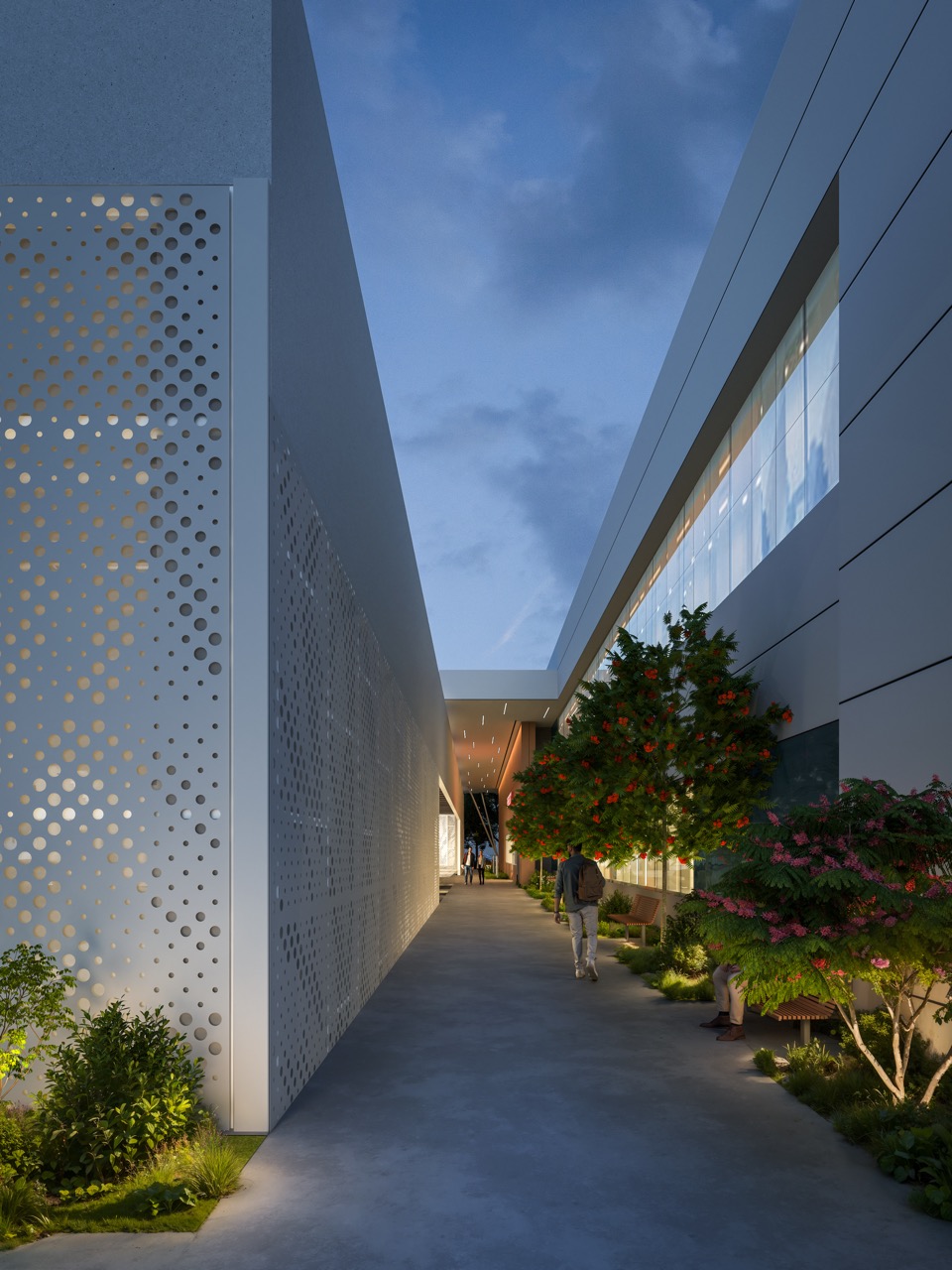
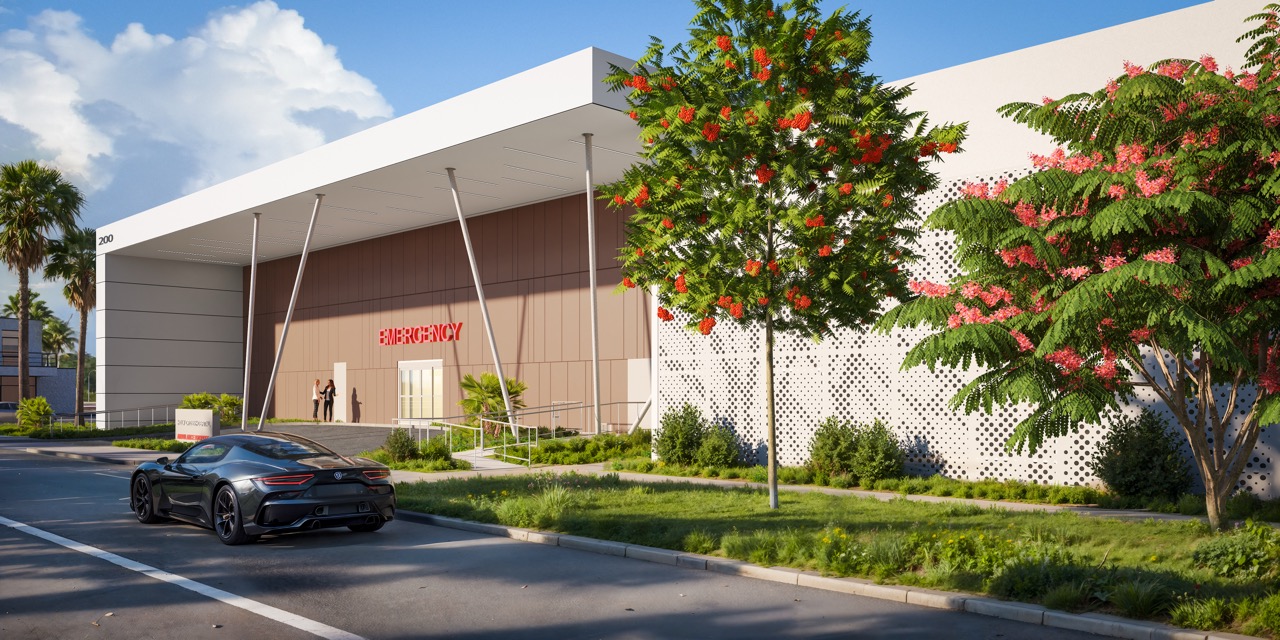
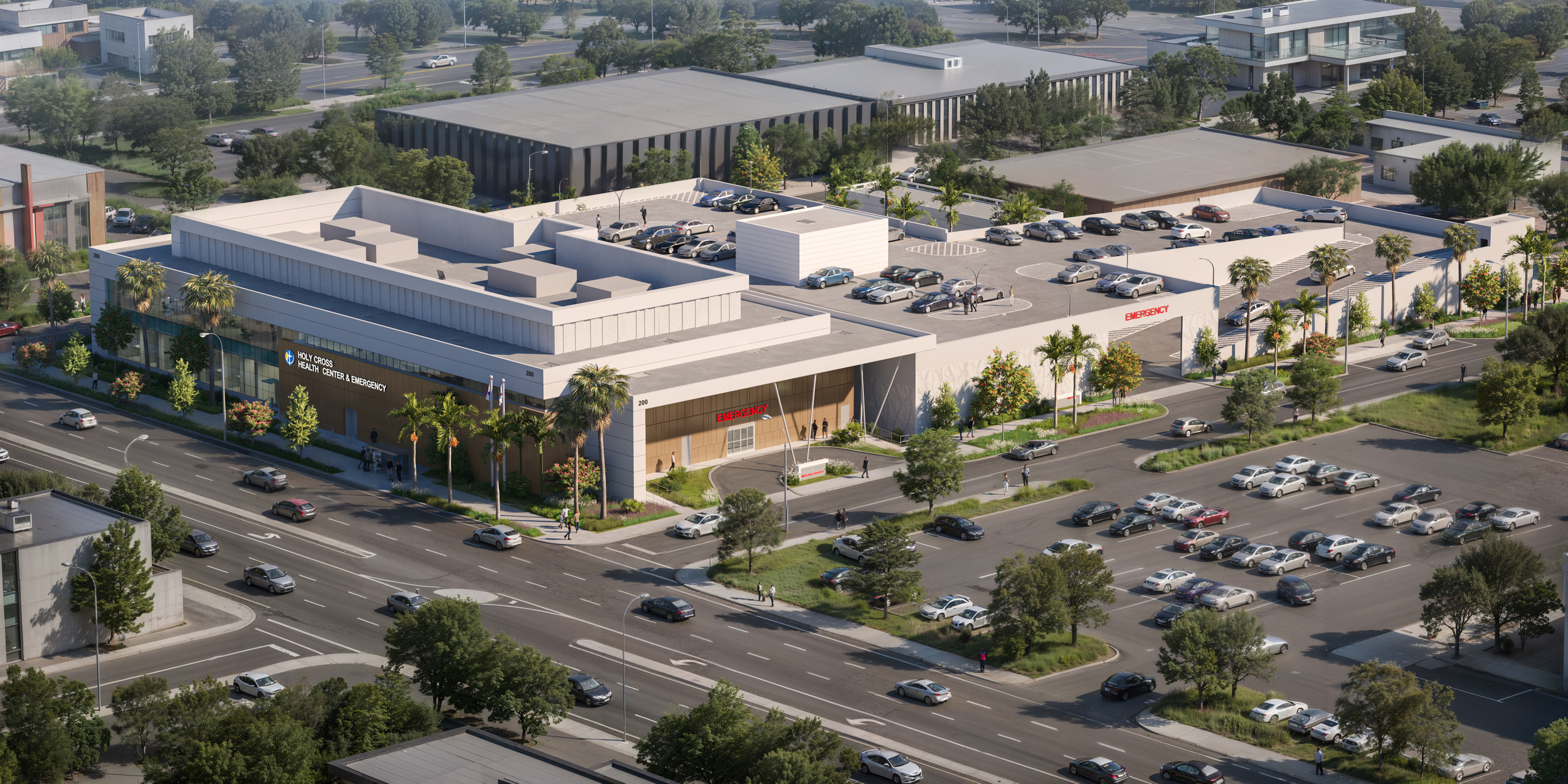
Breitner Architecture's flagship project since its recent founding in 2025, this ground-up 42,000 SF two-story building contains a Freestanding Emergency Department and Clinic on the ground floor, with 20,000 SF of shell space on the second floor that will house a future clinic and ambulatory surgery center. The project also contains a 2-level, 141-space parking structure.

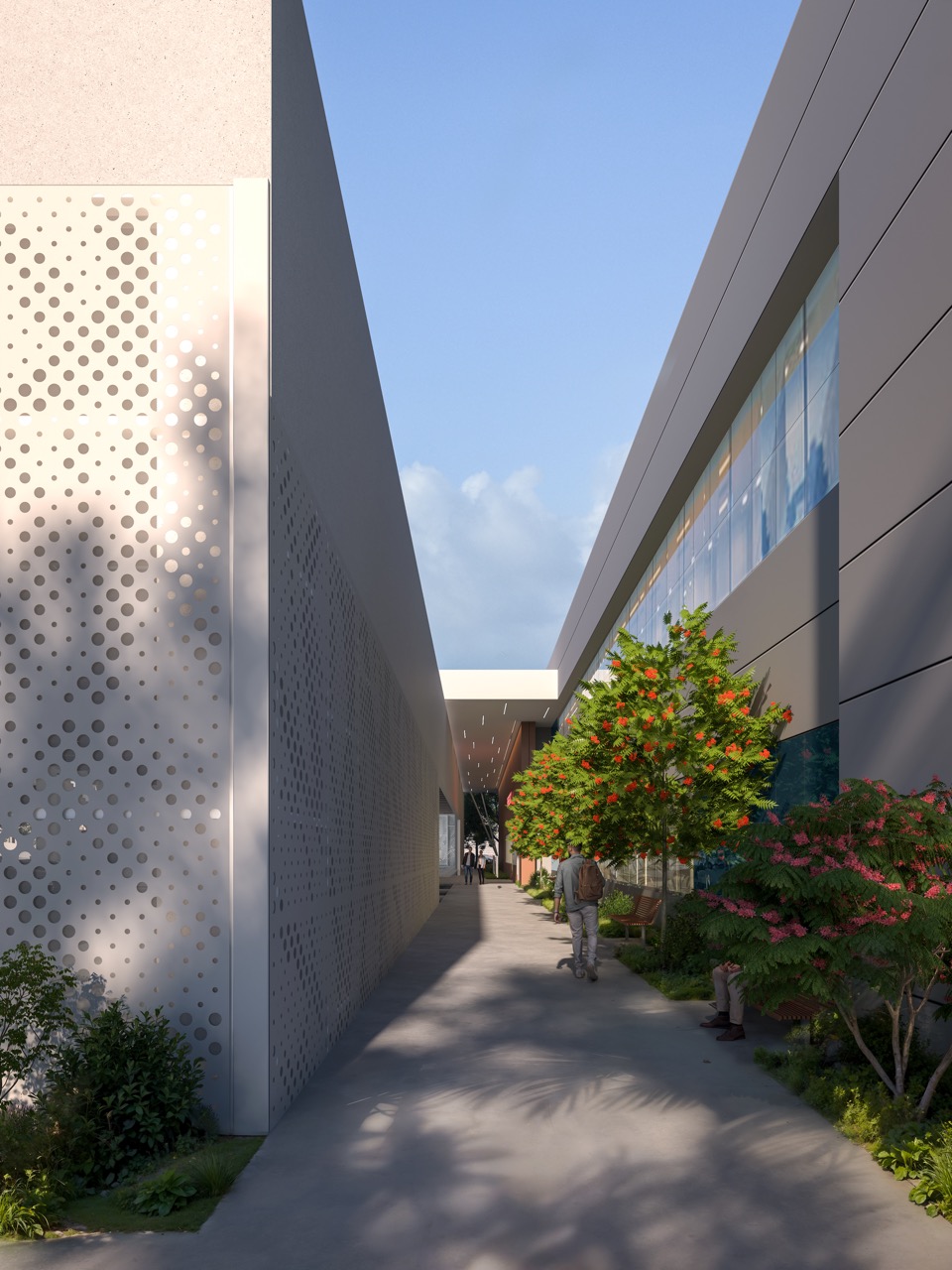
The building site is located in a Regional Activity Center (RAC) in the city of Fort Lauderdale. The RAC requires buildings to be built close to the property line to promote an urban density that is zoned for this area. This presented a challenge that defined the architectural characteristics of this project.

Freestanding EDs often have access from all sides of the building, easing accessibility for the many necessary entry nodes — ambulance drop-off, pedestrian entry, service and delivery. This site presented a constraint on the location of these entry points. Our solution was to consolidate entry nodes down to a single facade as much as possible, and reorienting the building such that the main points of entry were toward the interior facade, rather than the primary road as was encouraged in the RAC.

This project is scheduled to complete construction in the first quarter of 2027.

Planning an Emergency Department?

We'd love to learn about your project and how our FSED expertise can help.

Start a Conversation
Back to Work

Holy Cross Hospital — Cath Lab 5/6/8

Location
Fort Lauderdale, FL
Client
Holy Cross Hospital
Type
Cath Lab Renovation
Status
Under Construction

Technology Upgrades

Holy Cross Hospital's six-room cardiac catheterization suite is one of the busiest interventional platforms in the facility — and after years of continuous use, the infrastructure and finishes no longer reflected the level of care being delivered inside. Hospital leadership commissioned Breitner Architecture to lead a comprehensive renovation that would modernize imaging and procedural technology, refresh interior finishes, and bring the suite in line with current standards — all while keeping the department operational.

Given the scale and complexity of overhauling six active cath labs, Breitner Architecture began with a master planning effort before a single construction document was produced. This upfront investment brought together clinical staff, hospital administration, facilities management, and equipment vendors to align on scope, phasing strategy, and long-term goals for the suite.

With the master plan in place, the renovation is being executed in carefully sequenced phases — taking rooms offline in pairs to maintain procedural capacity throughout construction. Two rooms have already been fully designed and delivered, with documentation produced on an efficient timeline to keep the project moving forward.

The result, when complete, will be a fully modernized cath lab suite that supports the latest interventional technology, improves workflow for clinical teams, and provides a better environment for patients undergoing some of the most critical procedures the hospital offers.

Planning a Cath Lab or Interventional Suite?

Our team has deep experience in cardiac catheterization lab design.

Start a Conversation
Back to Work

Holy Cross Hospital — OR Renovation

Location
Fort Lauderdale, FL
Client
Holy Cross Hospital
Type
Surgical Suite Renovation
Status
Coming Soon

Phased Approach to Surgery Renovation

Breitner Architecture has been selected to lead the renovation of Holy Cross Hospital's surgical suite — a major undertaking that encompasses all ten operating rooms along with a complete overhaul of the pre-operative and post-operative preparation and recovery areas. At an estimated $50 million, this is one of the most significant capital investments the hospital has made in its surgical platform.

A project of this magnitude in an active surgical department demands more than good design — it demands meticulous planning. The renovation will be executed in carefully orchestrated phases, each one designed to keep as many operating rooms and recovery bays online as possible throughout construction. Our team is developing a phasing strategy that balances construction efficiency with the hospital's need to maintain surgical volume and protect revenue.

Creative interim solutions will be required to maintain capacity during transitional periods — whether that means temporary recovery configurations, adjusted circulation paths, or strategic sequencing of utility shutdowns. Breitner Architecture is approaching this project with the same planning-first methodology that has guided our other work at Holy Cross.

When complete, the renovated surgical suite will deliver a modern, efficient environment built to support the next generation of surgical technology, streamlined clinical workflows, and an improved experience for both patients and staff.

Considering an OR Renovation?

We specialize in renovating surgical environments while keeping operations running.

Start a Conversation
Back to Work

Holy Cross Hospital — 4th & 5th Floor Cardiac Clinics

Location
Fort Lauderdale, FL
Client
Holy Cross Hospital
Type
Cardiac Clinics
Status
In Progress

Revitalized Clinic Spaces

Expanding on our ongoing relationship with Holy Cross Hospital, Breitner Architecture has been engaged to redesign the cardiac clinic located within the medical office building adjacent to the main hospital campus. The project will renovate the existing suite to better support current patient volumes, evolving clinical workflows, and the growing needs of the hospital's cardiovascular service line.

The project is currently in the programming phase, where our team is working closely with clinical leadership and hospital stakeholders to define the scope and establish the operational priorities that will shape the design. This early collaborative effort ensures that every square foot of the renovated clinic is driven by how the space actually needs to perform — from patient flow and exam room configuration to staff work areas and support functions.

As programming wraps up, the project will move into design with a clear set of goals aligned across all stakeholders — the same deliberate, consensus-driven approach that has defined our work with Holy Cross across multiple projects.

Designing a Specialty Clinic?

Let's talk about how to balance patient experience with clinical performance.

Start a Conversation
Back to Work

Holy Cross Hospital — MRI Replacement

Location
Fort Lauderdale, FL
Client
Holy Cross Hospital
Type
Diagnostic Imaging
Status
Complete

Fast Track Equipment Replacement

When a critical MRI suite at Holy Cross Hospital went offline unexpectedly, hospital leadership faced an urgent problem: diminished diagnostic imaging capacity and a significant hit to revenue with every day the room sat dark. They needed a partner who could move fast without cutting corners.

Holy Cross turned to Breitner Architecture. Our team mobilized immediately, producing a complete set of construction documents on an accelerated timeline to fast-track the equipment replacement and get the suite back in service. But speed didn't mean settling for a like-for-like swap. We saw an opportunity to do more than restore — we set out to improve.

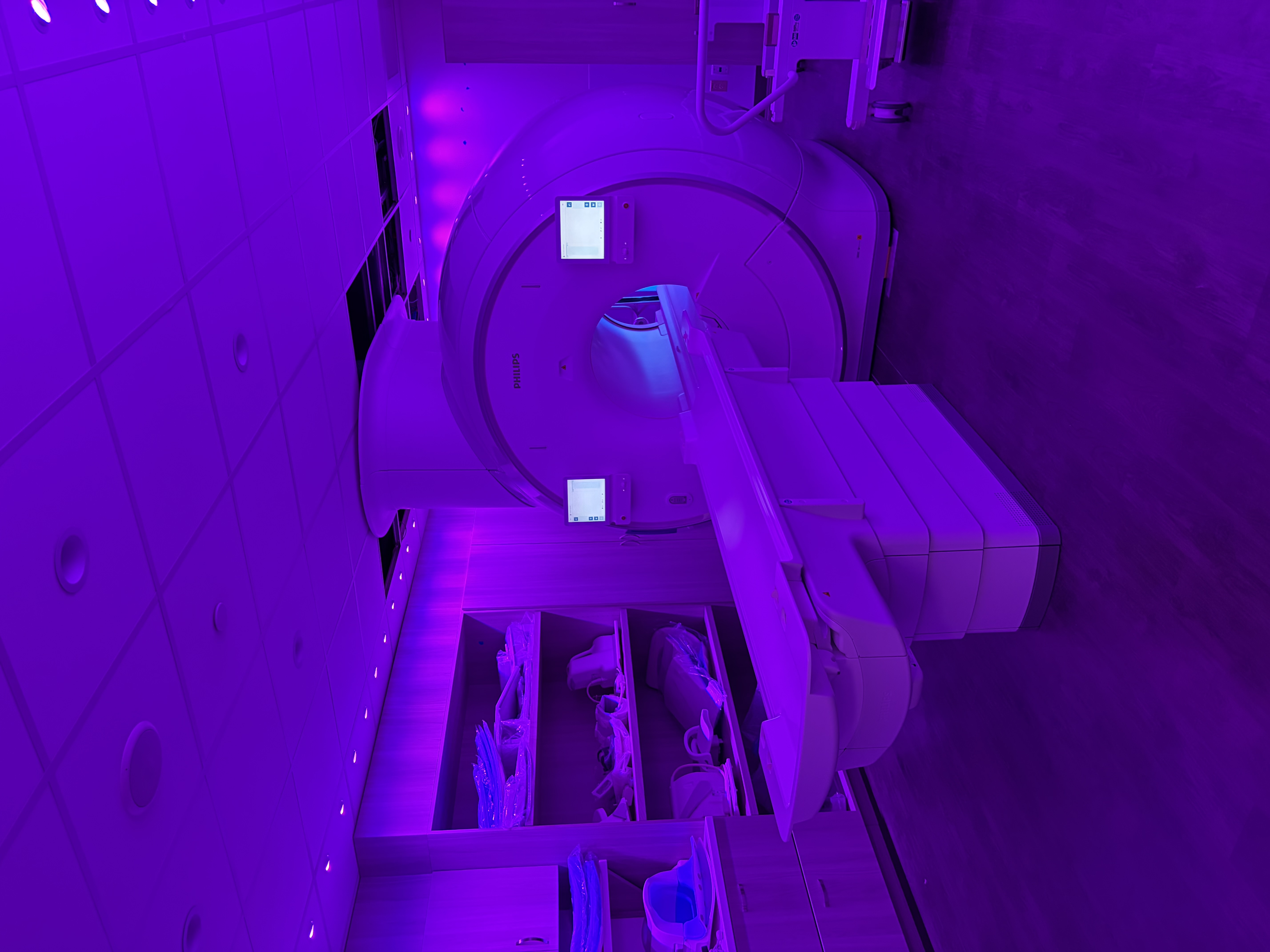
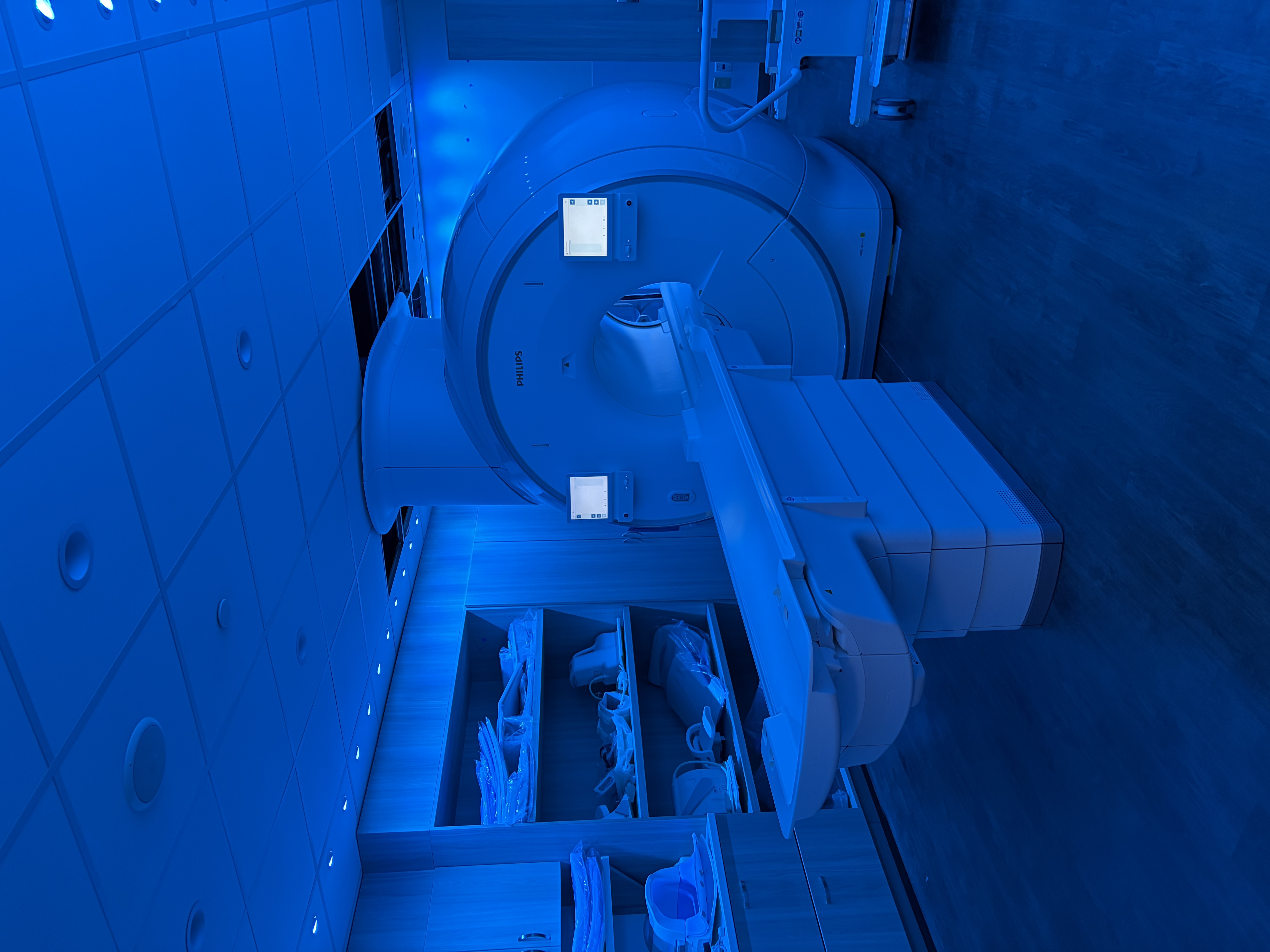
Working within the existing footprint, we updated interior finishes and millwork throughout the suite and introduced an ambient lighting system designed to calm patients during what can be an anxiety-inducing procedure. The result is a space that not only houses state-of-the-art imaging technology but actively supports the patient experience from the moment they walk through the door.

Holy Cross knew what they needed: an architecture team that understands healthcare operations, works with urgency, and delivers drawings that contractors can build from — fast. We delivered on all three.

Planning an Imaging Equipment Replacement?

We bring the technical expertise that MRI and imaging projects demand.

Start a Conversation

Let's Start a Conversation

We'd love to hear from you

Phone

954.754.7719

Office

4571 NE 3rd Avenue
Fort Lauderdale, FL 33334

Connect

LinkedIn

Back to Insights

Introducing Breitner Architecture

January 2025 5 min read

After more than twenty years of designing healthcare facilities across South Florida, Daniel Breitner has launched a firm built for a single purpose: to bring principal-level expertise to every healthcare architecture project, regardless of scale. Breitner Architecture opens its doors in Fort Lauderdale with a portfolio rooted in complex clinical environments and a philosophy that puts the architect's hand back on the work.
Sunrise FSED — Breitner Architecture's flagship project
The Sunrise Freestanding Emergency Department — the firm's flagship project since founding.

The idea behind Breitner Architecture is simple but uncommon in an industry that often separates leadership from production: every project receives the direct involvement of firm principals from first concept through construction administration. There is no handoff to junior staff after the contract is signed. There is no layer of project managers between the client and the designer. The person who understands your facility's clinical operations is the same person developing the drawings your contractor will build from.

Every project receives the direct involvement of firm principals from first concept through construction administration. There is no handoff to junior staff after the contract is signed.

This approach emerges from a straightforward observation: healthcare architecture is among the most technically demanding work in the profession. Hospitals operate around the clock. Patients are vulnerable. Equipment is extraordinarily expensive and extraordinarily specific in its spatial requirements. Regulatory frameworks — from FGI Guidelines to AHCA standards — leave little room for error. In this context, experience isn't a luxury. It's the baseline.

Breitner Architecture focuses exclusively on healthcare. One hundred percent of the firm's work serves hospitals, health systems, and medical facilities. This specialization means the team brings deep institutional knowledge to every project — an understanding of how clinical workflows actually function, how phased construction protects hospital revenue, and how design decisions affect patient outcomes long after the ribbon-cutting.
Holy Cross Cath Lab — completed renovation
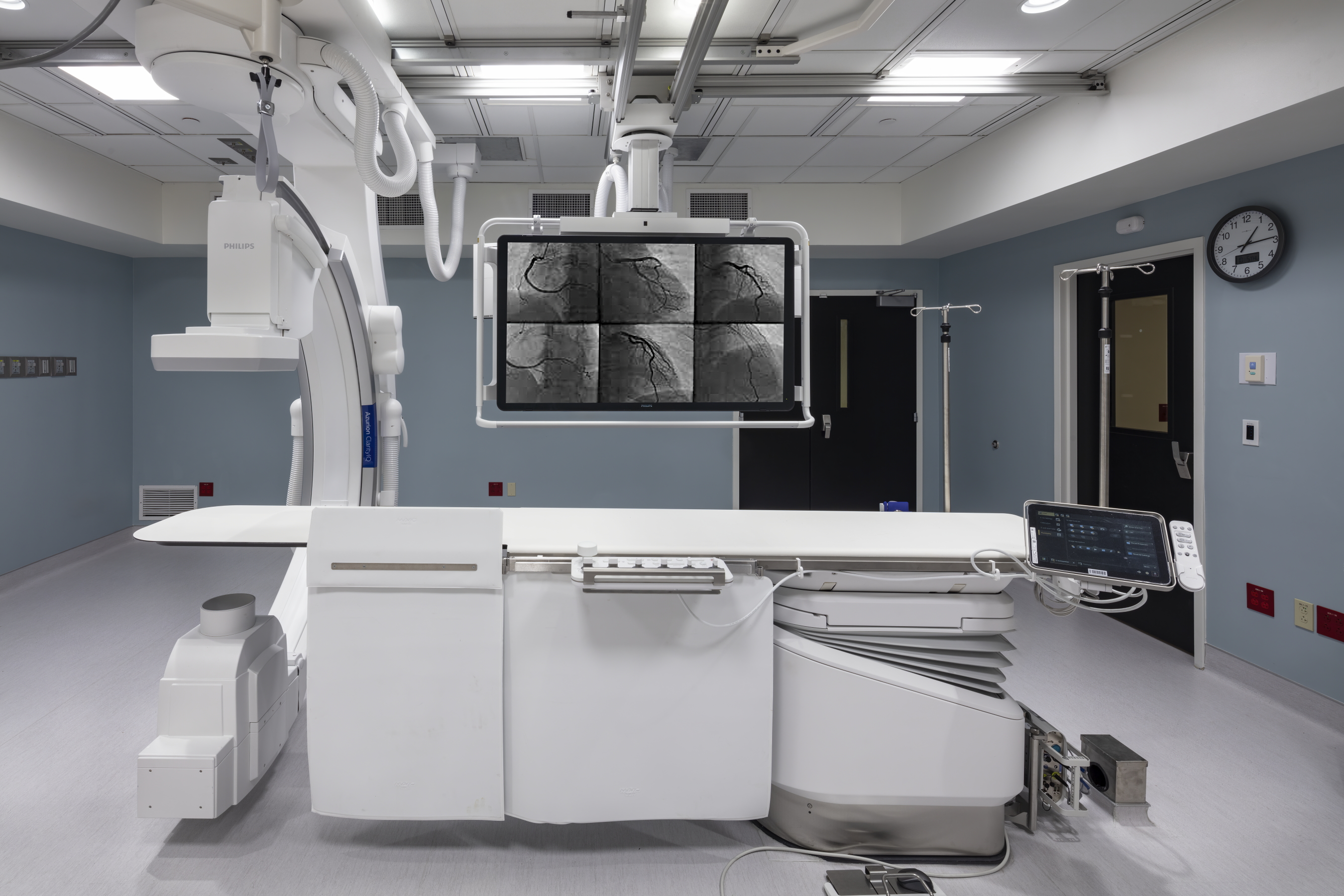
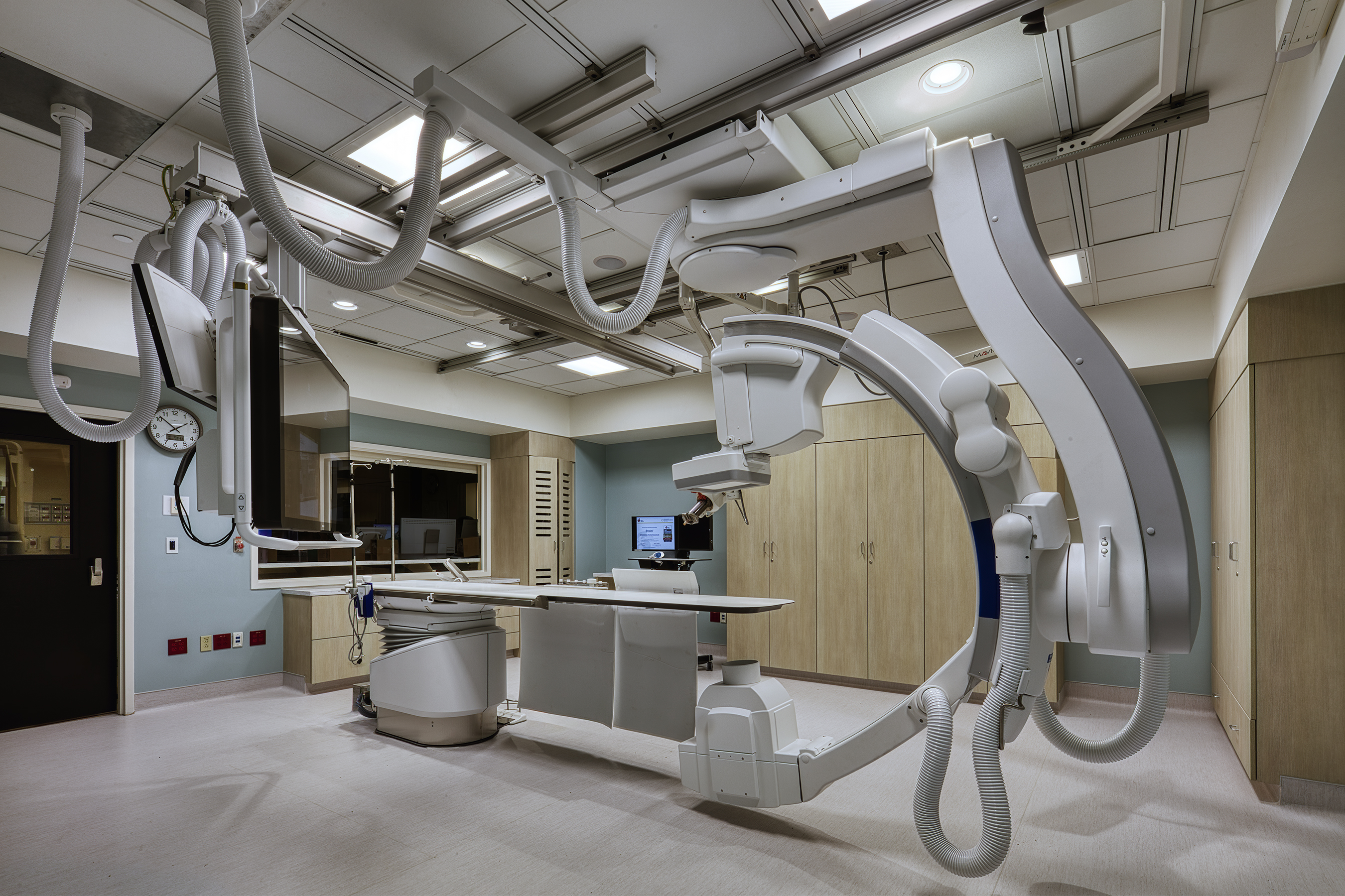
A completed cardiac catheterization lab at Holy Cross Hospital — one of the firm's early projects.

The firm has already secured its first major commissions, including a 42,000-square-foot freestanding emergency department and clinic in Fort Lauderdale, a phased renovation of six cardiac catheterization labs at Holy Cross Hospital, and the early planning stages of a $50 million surgical suite renovation encompassing ten operating rooms.

Fort Lauderdale serves as both the firm's home base and a microcosm of the challenge facing healthcare architecture nationwide: aging infrastructure, growing patient populations, and health systems navigating an increasingly complex regulatory and financial landscape. Breitner Architecture is positioned to be a partner in that work — small enough to be responsive, experienced enough to be trusted with the most consequential projects in the building.

Small enough to be responsive, experienced enough to be trusted with the most consequential projects in the building.

Daniel Breitner, AIA, ACHA, EDAC, NCARB, brings credentials that reflect a career built at the intersection of architecture and healthcare operations. The firm's approach is rooted in planning-first methodology — investing in programming, master planning, and stakeholder alignment before design begins, so that every decision made afterward serves both the clinical mission and the bottom line.

Breitner Architecture is now accepting commissions for healthcare projects in South Florida and beyond. To learn more, reach out at info@breitarch.com or visit the firm's project portfolio.

Ready to Start Your Project?

Let's discuss how Breitner Architecture can bring principal-level expertise to your next healthcare project.

Get in Touch
Back to Insights

What Makes a Great FSED: Lessons from Sunrise

February 2025 6 min read

Freestanding emergency departments are reshaping how communities access critical care, and South Florida has become one of the country's most active markets for this building type. But designing an FSED is fundamentally different from designing an emergency department within a hospital — and the distinctions go far beyond simply removing the floors above. The Sunrise FSED project offered Breitner Architecture a masterclass in what makes these facilities succeed.

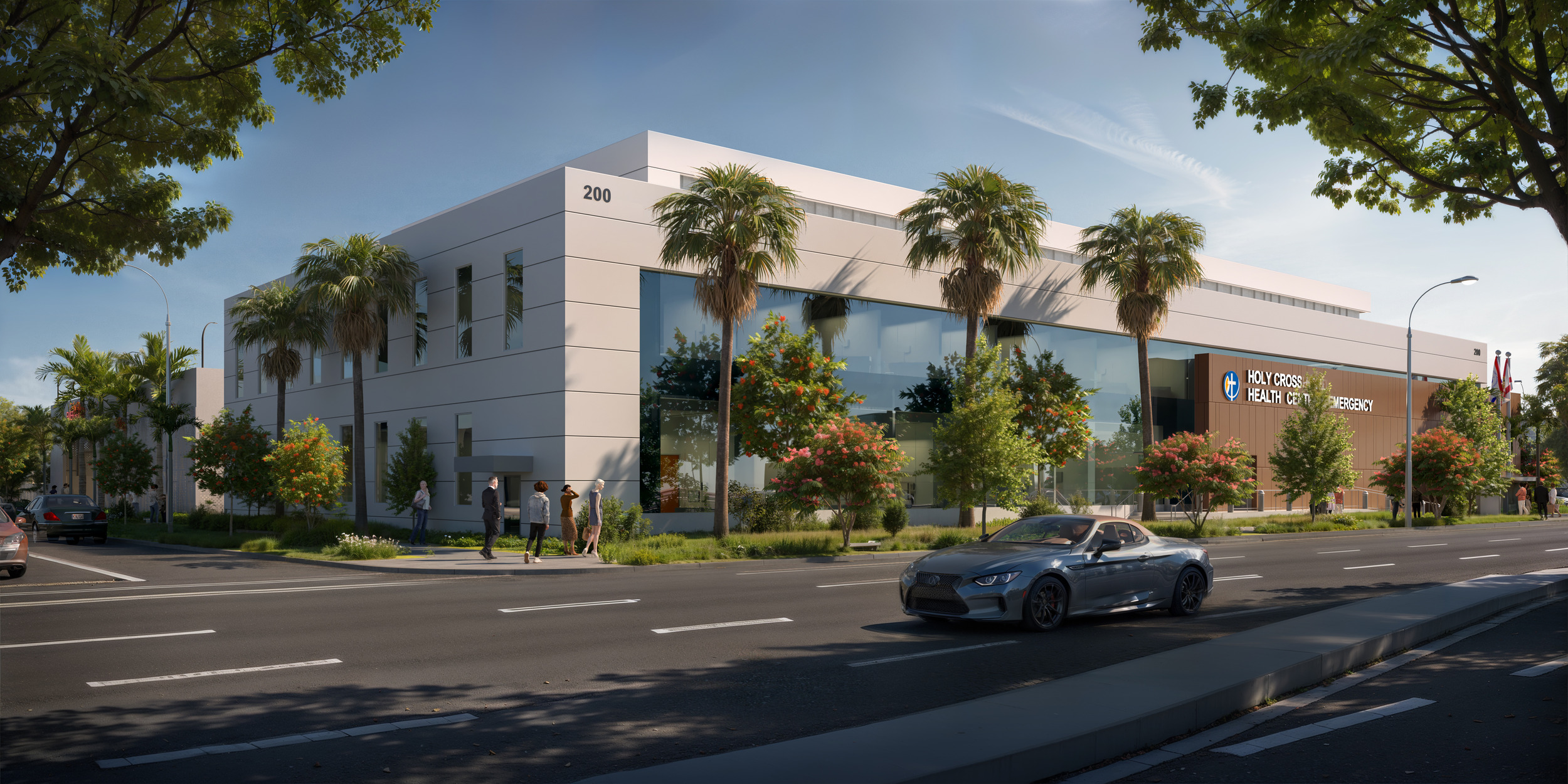
Sunrise FSED street perspective
The Sunrise FSED — a 42,000 SF ground-up facility combining emergency care with clinic space.

The first lesson is about site constraints. Hospital-based EDs typically enjoy the luxury of multiple access points — ambulances approach from one direction, walk-in patients from another, staff from a third. A freestanding facility on a commercial lot doesn't always have that luxury. At Sunrise, the Regional Activity Center zoning required the building to sit close to the property line, limiting access options and fundamentally shaping the architectural response.

Designing a freestanding ED is fundamentally different from designing an emergency department within a hospital — and the distinctions go far beyond simply removing the floors above.

Our solution was counterintuitive: rather than fighting the site to distribute entry points around the perimeter, we consolidated them onto a single facade and reoriented the building so primary access faces the interior of the site rather than the main road. This decision cascaded through the entire design — from circulation patterns inside the building to the parking structure layout to the wayfinding strategy for arriving patients.

The second lesson is about dual-purpose design. The Sunrise project isn't just an emergency department. It's a 42,000-square-foot, two-story building that combines a ground-floor FSED and clinic with 20,000 square feet of shell space on the second floor for a future clinic and ambulatory surgery center. This kind of programmatic layering requires careful planning to ensure that the immediate operational needs of the ED don't conflict with the future build-out above.

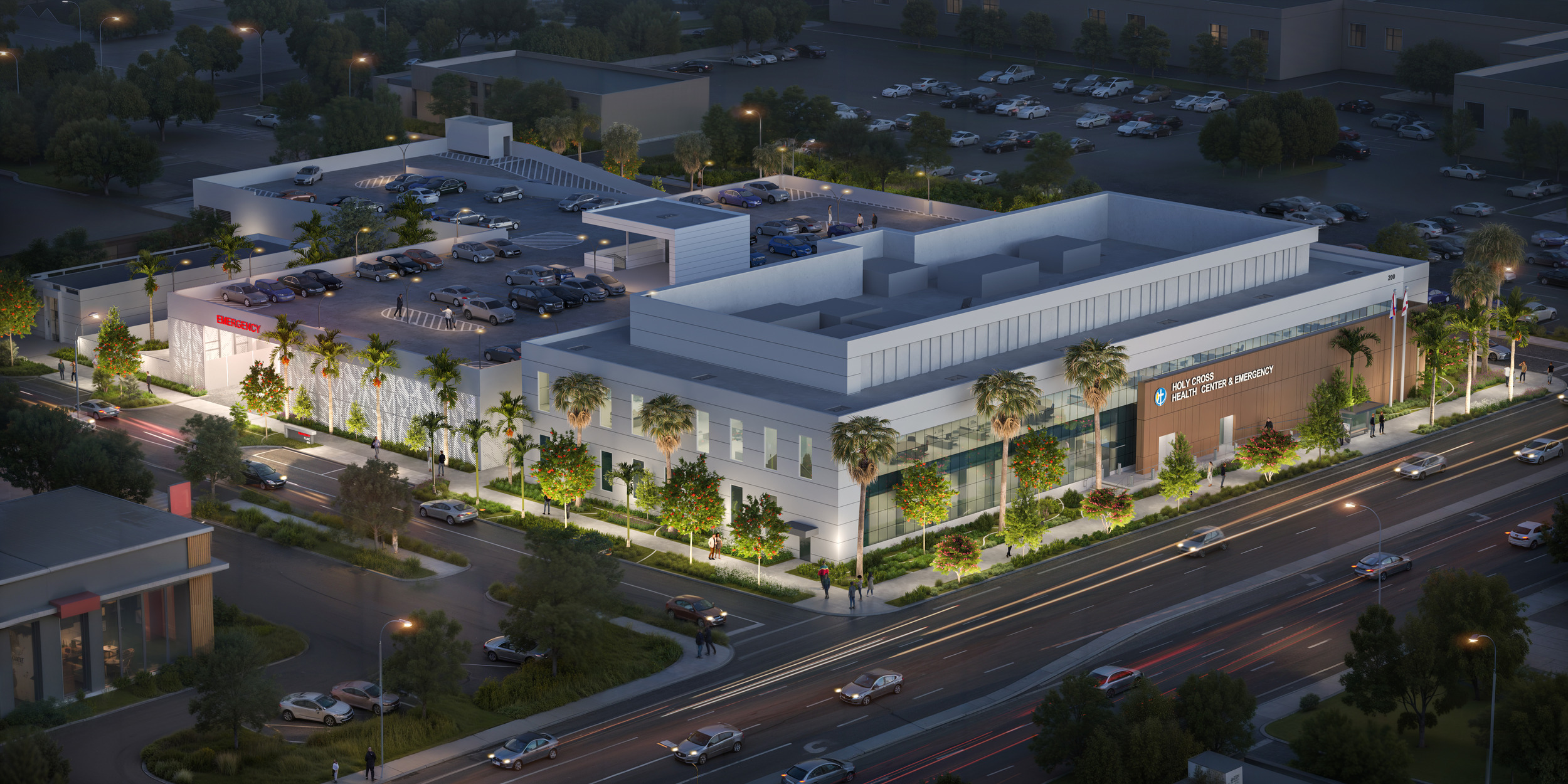
Sunrise FSED evening perspective
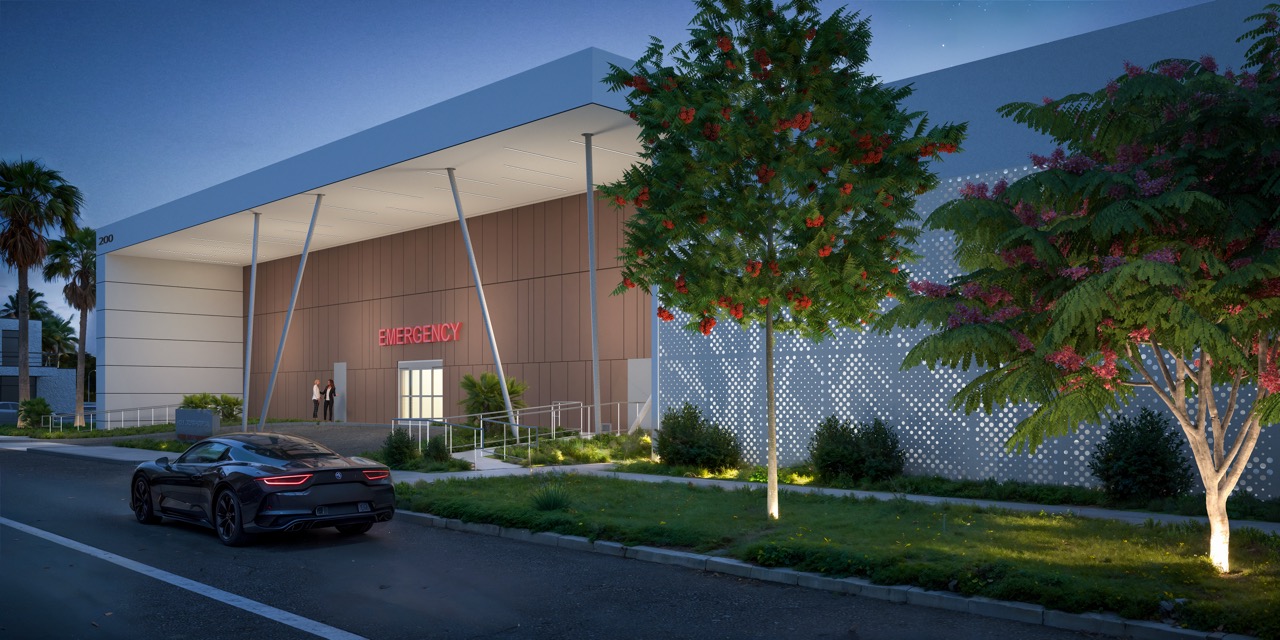
Evening rendering showing the building's relationship to its commercial surroundings.

The third lesson — perhaps the most important — is that an FSED must establish trust immediately. Patients arriving at a freestanding facility don't have the visual reassurance of a full hospital campus behind them. The architecture itself must communicate capability, safety, and professionalism from the moment a patient or family member pulls into the parking lot. Materials, scale, signage, lighting — every external decision contributes to whether a community embraces this new model of care delivery.

As health systems across South Florida continue investing in freestanding emergency departments, the lessons from Sunrise will inform every FSED project that follows. The building type is still evolving, and the architecture firms that understand its unique demands will be the ones shaping its future.

Planning a Freestanding Emergency Department?

We've designed them from the ground up — literally. Let's talk about your project.

Start a Conversation
Back to Insights

Designing the Modern Cath Lab

March 2025 5 min read

Cardiac catheterization labs sit at the intersection of architecture's most demanding technical requirements and medicine's most critical interventional procedures. Designing one — much less renovating six while the department stays operational — requires an architect who understands not just building codes, but the choreography of a catheterization team in action. At Holy Cross Hospital, Breitner Architecture has spent the past year learning what it takes to get this room type right.

Completed cath lab at Holy Cross
A completed catheterization lab at Holy Cross Hospital, equipped with next-generation imaging technology.

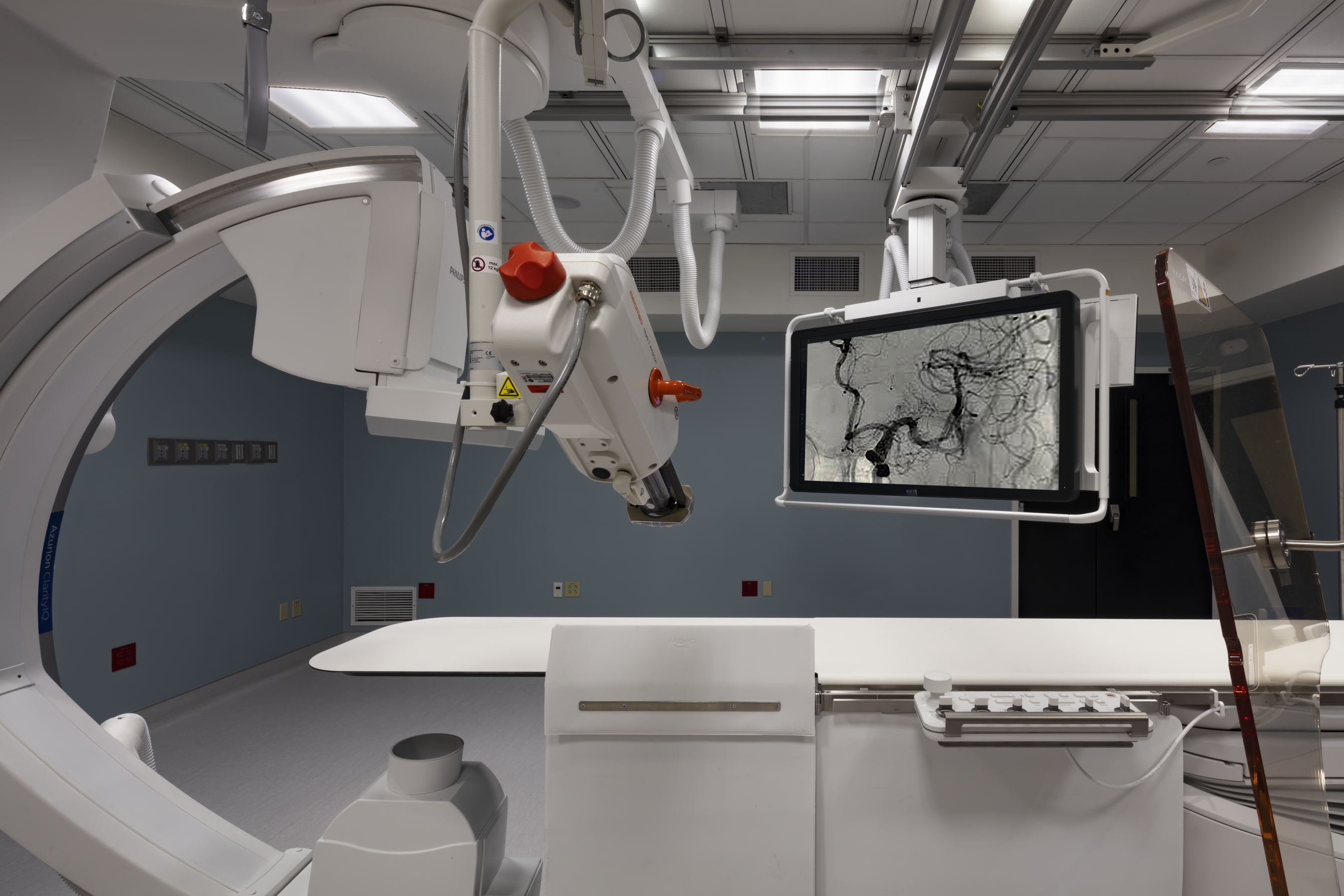
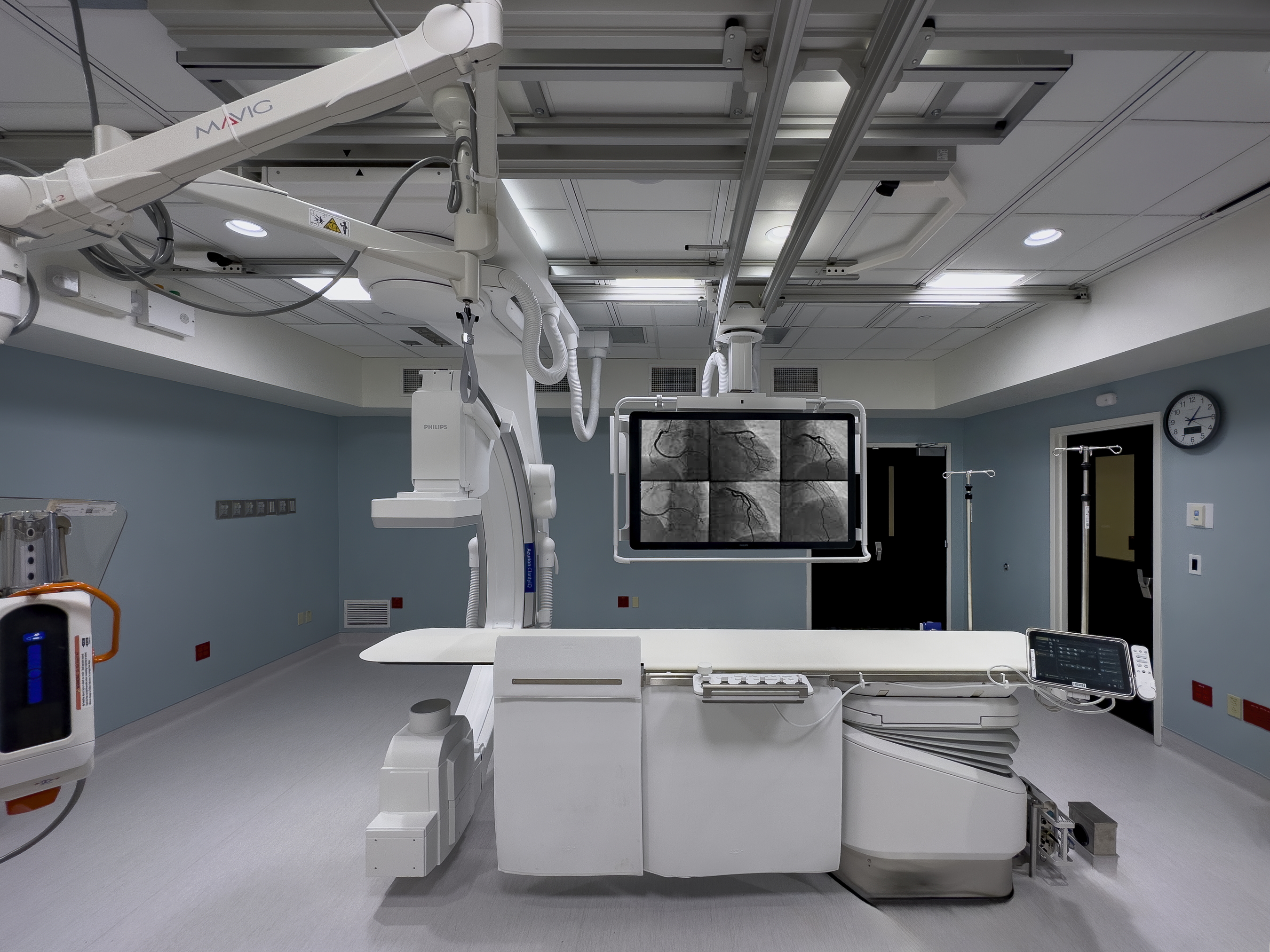
The modern cath lab is defined by its equipment. Ceiling-mounted C-arm imaging systems, hemodynamic monitoring arrays, large-format display screens for real-time fluoroscopy — these are not elements that get placed after the room is designed. They are the room. Every dimension, every structural support, every cable pathway begins with the equipment layout and works outward. The architecture wraps around the technology, not the other way around.

Every dimension, every structural support, every cable pathway begins with the equipment layout and works outward. The architecture wraps around the technology, not the other way around.

Then there's the question of phasing. Holy Cross's cath lab suite contains six active procedure rooms. Shutting down all six for a simultaneous renovation would devastate procedural capacity and revenue. Instead, Breitner Architecture developed a phasing strategy that takes rooms offline in pairs — maintaining four operational labs at all times while construction proceeds on the other two. This required not just construction scheduling expertise but deep coordination with clinical leadership to ensure the remaining labs could absorb the additional caseload.

Cath lab wide angle
Wide-angle view showing the integration of ceiling-mounted systems with the procedural environment.

The master planning effort that preceded any construction documents proved essential. By bringing together clinicians, administrators, facilities staff, and equipment vendors before design began, our team established consensus on scope, phasing, and long-term goals. That upfront investment in alignment has paid dividends throughout the project — reducing change orders, accelerating documentation timelines, and ensuring that each completed phase meets the standard set by the master plan.

The renovated cath labs at Holy Cross represent what healthcare architecture should be: technically precise, operationally informed, and designed in genuine partnership with the people who use the space every day.

Planning a Cardiac Intervention Suite?

Our cath lab experience spans planning, design, and phased construction in active hospitals.

Start a Conversation
Back to Insights

Renovating While Operational: The OR Challenge

April 2025 5 min read

How do you renovate an operating room suite without shutting down a hospital? It's a question that sounds rhetorical — until you're the architecture team standing in front of a hospital board explaining that all ten ORs need to be gutted and rebuilt, the pre-op and post-op areas need a complete overhaul, and the surgical schedule cannot stop. At Holy Cross Hospital, that's exactly where Breitner Architecture found itself when commissioned to lead a $50 million surgical suite renovation.

Clinical environment at Holy Cross
Inside Holy Cross Hospital — where active clinical environments demand careful renovation phasing.

The challenge of renovating an active surgical department is fundamentally a planning problem, not a design problem. The design will follow proven surgical suite principles — proper air handling, equipment integration, infection control, staff workflow optimization. But the sequencing of how you get from the existing condition to the finished product, without ever compromising patient safety or decimating surgical volume, is where the real expertise lies.

The sequencing of how you get from the existing condition to the finished product, without ever compromising patient safety or decimating surgical volume — that is where the real expertise lies.

Breitner Architecture's approach begins with what we call planning-first methodology. Before a single construction document is produced, the team spends weeks with surgical staff, hospital leadership, facilities management, and the construction team mapping out a phasing strategy that protects the hospital's most critical operational and financial metrics. Every phase is designed to maximize the number of ORs and recovery bays that remain operational at any given time.

The interim solutions are often as creative as the final design itself. Temporary recovery configurations allow patient throughput to continue when permanent recovery areas are under construction. Adjusted circulation paths reroute staff and patients around active construction zones. Utility shutdowns are sequenced to occur during off-peak hours, coordinated with the surgical schedule to minimize impact.

Procedural suite infrastructure
Infrastructure coordination in active procedural environments — a challenge that extends across surgical and interventional suites.

For hospital leaders considering a major surgical renovation, the takeaway is clear: the success of the project depends as much on the phasing strategy as on the final architectural design. Choose an architecture team that understands hospital operations deeply enough to protect your revenue and patient care while the walls are coming down — and going back up.

Planning a Surgical Suite Renovation?

We understand phased construction in active surgical environments. Let's plan your project together.

Start a Conversation
Back to Insights

Evidence-Based Design: Beyond the Buzzword

June 2025 5 min read

Evidence-based design has become one of healthcare architecture's most popular talking points — invoked in proposals, displayed on websites, and dropped into conversations with hospital administrators who have heard the phrase enough times to nod along. But there's a meaningful gap between claiming to practice evidence-based design and actually letting research findings shape the hundreds of decisions that define a healthcare project. At Breitner Architecture, we believe the distinction matters enough to talk honestly about what EBD looks like when it's more than marketing language.

Healthcare interior design
Interior design at Holy Cross — where every material and finish decision is informed by clinical research.

Evidence-based design, at its core, is the practice of basing design decisions on the best available research linking the built environment to measurable outcomes — patient recovery times, infection rates, staff efficiency, medication errors, patient satisfaction scores. The key word is "measurable." EBD is not about what looks good or what feels right. It's about what the data supports.

Evidence-based design is not about what looks good or what feels right. It's about what the data supports — linking the built environment to measurable patient and operational outcomes.

In practice, this shows up in decisions that might seem mundane but carry significant impact. Research consistently shows that single-patient rooms reduce hospital-acquired infections. Studies demonstrate that access to natural light in patient rooms correlates with shorter recovery times and lower analgesic use. Noise reduction strategies — from acoustic ceiling tiles to decentralized nursing stations — have been linked to improved patient sleep and reduced staff burnout.

The ambient lighting system we designed for the Holy Cross MRI suite is a direct application of evidence-based design principles. Research on patient anxiety during MRI procedures shows that environmental factors — particularly lighting and visual distraction — can meaningfully reduce the need for sedation and improve patient compliance during scans. Rather than treating the MRI room as a purely technical space, we designed it as a clinical environment that actively supports the patient experience.

MRI suite at Holy Cross
The renovated MRI suite at Holy Cross — ambient lighting designed to reduce patient anxiety.

For healthcare administrators evaluating architecture firms, the question shouldn't be "Do you practice evidence-based design?" Every firm will say yes. The better question is: "Show me where a research finding changed a design decision on a recent project." That's where the conversation gets interesting — and where the difference between a buzzword and a practice becomes clear.

Breitner Architecture holds the EDAC (Evidence-Based Design Accreditation and Certification) credential — a certification administered by The Center for Health Design that requires demonstrated competency in applying research to healthcare design decisions. It's not a guarantee of good design, but it reflects a commitment to treating the evidence-base as a tool, not a tagline.

Want Design Backed by Evidence?

Our EDAC-certified team brings research-informed decision-making to every healthcare project.

Start a Conversation